Dental Implants or Dentures: What’s Right for Your Needs?

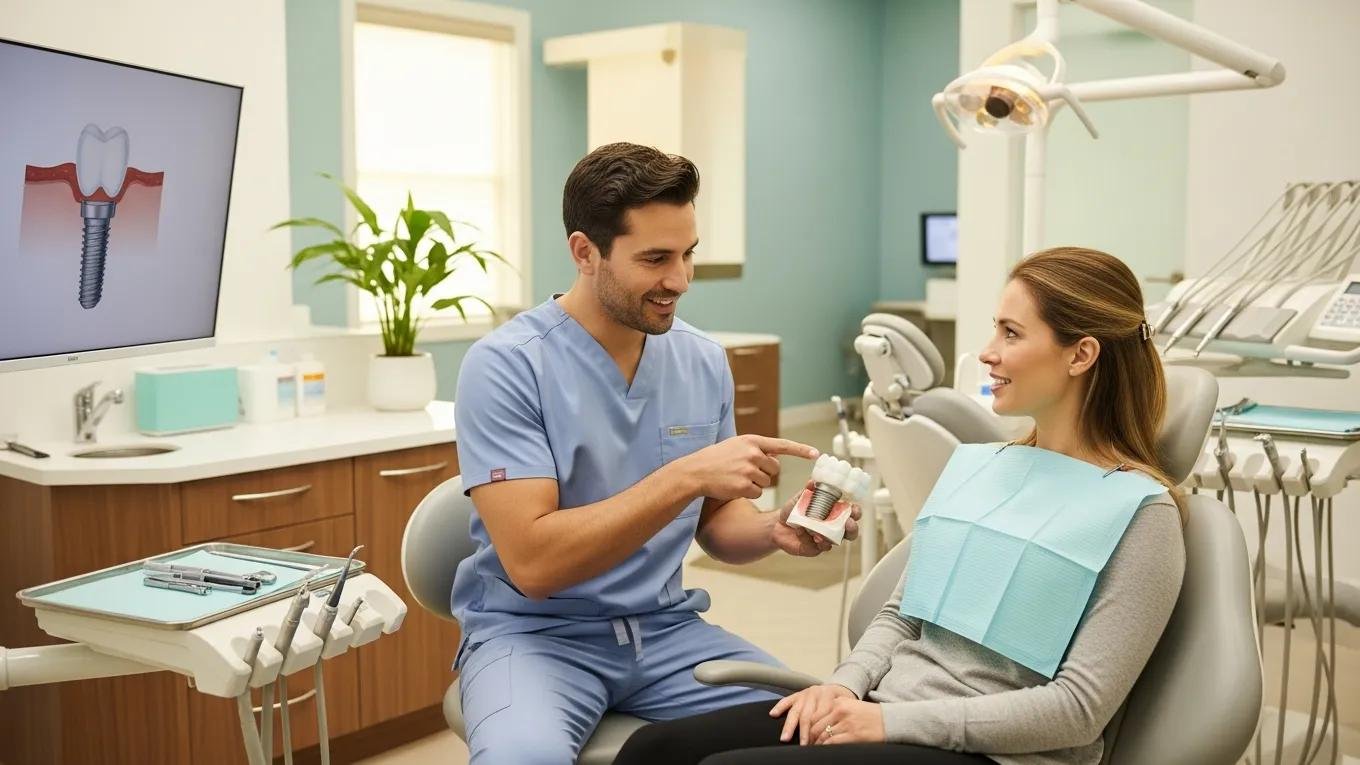
Smiling person in a dental office, showcasing the benefits of dental implants

Dental Implants vs. Dentures: Which Is Right for You?

Missing teeth can compromise chewing ability, jawbone health, and self-confidence, but selecting the optimal tooth replacement requires understanding both prosthetic options and their impacts on your oral health. In this guide, you’ll discover how dental implants and dentures restore function and aesthetics, compare costs and maintenance, explore hybrid implant-supported dentures, assess candidacy factors like bone density and overall health, review typical expenses and insurance options in Ontario, CA, and learn the key questions and next steps for choosing the solution that fits your lifestyle. Along the way, you’ll see how Beautiful Smiles Ontario, a leading provider of expert oral surgery and implant services, helps patients reclaim healthy, confident smiles through compassionate, high-quality care.¹

What Are Dental Implants and How Do They Work?

Dental implants are titanium or zirconia prosthetic roots surgically anchored in the jawbone to support lifelike crowns, providing permanent stability and preserving bone density. This fusion process—known as osseointegration—enables the implant post to integrate with the jawbone, preventing resorption and offering chewing performance comparable to natural teeth. For example, a patient missing a molar can receive an endosteal implant that restores both bite force and facial structure, seamlessly blending with surrounding teeth and supporting long-term oral health.

What materials are used in dental implants?

Dental implant systems typically consist of three parts—implant post, abutment, and crown—crafted from these materials:

  • Titanium Post: Biocompatible metal that fuses with bone for exceptional stability.
  • Zirconia Post: Ceramic alternative offering metal-free aesthetics and lower plaque affinity.
  • Abutment: Connects post to crown, often made of titanium or zirconia for durability.
  • Crown: Porcelain or ceramic restoration shaped and shaded to match natural teeth.

Each element works together to provide strength, aesthetic integration, and resistance to wear, laying the groundwork for a functional and long-lasting solution.

How does the dental implant procedure work?

The dental implant procedure unfolds in three phases:

  1. Surgical Placement – The implant post is inserted into the jawbone under local anesthesia.
  2. Osseointegration – Over 3–6 months, the bone grows around the post, creating a stable foundation.
  3. Crown Attachment – After healing, an abutment and custom crown are affixed, completing the restoration.

This staged approach ensures that the implant behaves like a natural tooth root while minimizing risk and optimizing long-term success.

What are the benefits of dental implants for oral health?

Dental implants deliver these key oral-health advantages:

  • Bone Preservation – Implants stimulate the jawbone, preventing the bone loss common with missing teeth.
  • High Longevity – With proper care, implants can last 20+ years, often making them a lifetime solution.
  • Superior Stability – Firmly anchored implants eliminate slipping or shifting during eating and speaking.
  • Natural Function – Implants restore full bite force and chewing efficiency, enhancing dietary choices and digestion.

Exceptional Longevity and Osseointegration of Dental Implants

A long-term follow-up study from the University of Gothenburg demonstrated that dental implants can exhibit remarkable durability, with a 95.6% survival rate over 40 years and minimal bone loss. This success is attributed to the process of osseointegration, where the implant fuses directly with the jawbone, providing a stable and lasting foundation.
This research directly supports the article’s claims regarding the high longevity of dental implants and the critical role of osseointegration in their long-term success.

What Are Dentures and What Types Are Available?

Different types of dentures including full, partial, and immediate dentures displayed clearly

Dentures are removable prosthetic appliances that replace multiple missing teeth and adjacent gum tissue, restoring appearance and basic chewing function without surgery. By sitting on top of the gums or anchoring to remaining teeth, dentures offer an affordable, non-invasive approach to tooth replacement, supported by modern acrylics and metal frameworks for improved fit and comfort.

What are the differences between full, partial, and immediate dentures?

Denture types differ by coverage and timing:

  • Full Dentures replace an entire arch of teeth, resting on the gums after extraction sites have healed.
  • Partial Dentures fill gaps between natural teeth, using metal clasps or precision attachments for support.
  • Immediate Dentures are fabricated in advance and placed immediately after tooth extraction to maintain aesthetics during healing.

Each design addresses specific tooth-loss scenarios and patient preferences for convenience and appearance.

What materials are dentures made from?

Modern dentures combine these components:

  • Acrylic Resin Base: Gum-colored acrylic that supports false teeth and conforms to oral tissues.
  • Porcelain or Acrylic Teeth: Durable, stain-resistant teeth bonded to the base for natural appearance.
  • Metal Framework (partial dentures): Cobalt-chromium alloy providing strength and slimmer profiles in partial designs.

These materials balance comfort, durability, and aesthetics to meet diverse patient needs.

What are the benefits and limitations of dentures?

Key advantages and considerations include:

  • Affordability – Dentures typically cost less upfront than implants, making them accessible for many budgets.
  • Non-Invasive – No surgery is required, reducing medical risks and healing time.
  • Ease of Adjustment – Dentures can be relined or rebased to accommodate minor changes in gum tissue.
  • Maintenance Requirements – Daily removal, cleaning, and periodic adjustments are essential to prevent soreness and maintain fit.
  • Bone Resorption – Because dentures don’t stimulate the jawbone, gradual bone loss can alter fit and facial support over time.

Choosing dentures involves balancing immediate cost savings and simplicity against long-term tissue changes and upkeep needs.

Hw Do Dental Implants and Dentures Compare?ow Do Dental Implants and Dentures Compare?

Comparing implants and dentures across critical attributes helps patients evaluate which option best aligns with their oral-health goals and lifestyle preferences.

CharacteristicDental ImplantsDentures
CostHigher initial investment, often offset by decades of serviceLower upfront cost, but may require replacement every 5–7 years
Longevity20+ years with proper care5–10 years before acrylic base or teeth require renewal
Jawbone HealthPreserves bone through osseointegrationCan accelerate bone resorption due to lack of stimulation
Stability & ComfortMimics natural teeth for secure chewing and speechMay slip or require adhesives, affecting confidence
MaintenanceRoutine brushing, flossing, occasional check-upsDaily soaking, brushing, and professional relines

What are the cost differences between dental implants and dentures?

Dental implants involve surgical, laboratory, and prosthetic fees, typically ranging from $3,000 to $5,500 per tooth in Ontario, CA, while full-arch dentures average $1,200–$2,500. Although implants carry a higher upfront cost, their longevity and reduced need for replacement often yield greater long-term value.

How do dental implants and dentures differ in longevity and durability?

Implants commonly last two decades or more, thanks to biocompatible materials and bone integration. Dentures, exposed to chewing forces and changes in gum tissue, generally require replacement every 5–10 years to maintain fit and function.

How do implants and dentures affect jawbone health?

Because dental implants act as artificial tooth roots, they transmit chewing forces to the bone, preserving density and facial structure. In contrast, dentures rest on gum tissue without stimulating underlying bone, leading to progressive resorption and changes in facial contours over time.

Dental Implants Preserve Jawbone Health Unlike Traditional Dentures

Dental implants are crucial for preventing jawbone deterioration by mimicking natural tooth roots and stimulating the bone, thereby maintaining bone density and facial structure. In contrast, traditional dentures do not provide this stimulation, which can lead to progressive bone loss and changes in facial contours over time.
This citation verifies the article’s assertion about the unique benefit of dental implants in preserving jawbone health and highlights a key difference when compared to conventional dentures.

What are the differences in stability, comfort, and function?

Implants provide fixed anchorage, enabling normal biting forces and eliminating slipping concerns. Dentures, even with adhesive, can shift during eating or speaking, which may limit food choices and necessitate periodic adjustments for comfort.

What maintenance is required for each option?

Implants require daily brushing and flossing—much like natural teeth—and regular dental check-ups. Dentures need nightly soaking, daily cleaning with non-abrasive solutions, and professional relines or repairs every few years to maintain fit.

What Are Implant-Supported Dentures and How Do They Bridge the Gap?

Dental professional holding implant-supported dentures, showcasing the connection to implants

Implant-supported dentures combine the permanence of implants with the removable convenience of dentures, using two or more implants to anchor a full arch prosthesis. This hybrid solution enhances stability, comfort, and chewing efficiency while reducing the number of implants and overall cost compared with full-mouth implant work.

How do implant-supported dentures differ from traditional dentures?

Unlike traditional dentures that rest solely on gums, implant-supported dentures clip or screw onto implant posts embedded in the jawbone, preventing displacement and improving bite force by up to 60%.

What are the benefits and candidacy requirements for implant-supported dentures?

Patients benefit from:

  • Enhanced Retention – Minimizes slippage and improves confidence.
  • Bone Preservation – Implants stimulate bone, maintaining ridge height.
  • Cost Efficiency – Fewer implants required compared to individual tooth restorations.

Ideal candidates need adequate jawbone density and good overall health; bone grafting may be necessary for those with significant resorption.

How does the procedure for implant-supported dentures work?

The process includes:

  1. Implant Placement – Strategic insertion of 2–6 implants per arch.
  2. Healing and Integration – Osseointegration period of 3–4 months.
  3. Denture Fabrication and Attachment – Custom prosthesis is secured via clips or a fixed bar system.

This approach delivers the function of implants with the ease of removable prostheses.

Who Is a Good Candidate for Dental Implants or Dentures?

Choosing between implants and dentures depends on bone health, gum condition, systemic factors, budget, and lifestyle. A personalized clinical evaluation ensures the optimal pathway to restored oral function and confidence.

How do bone density and jawbone health affect candidacy?

Sufficient jawbone volume and density are crucial for implant stability; patients with significant bone loss may require grafting procedures. Dentures present a viable alternative when bone augmentation is not feasible or desired.

What role does overall health and gum condition play?

Control of systemic conditions like diabetes and effective management of gum disease are essential before implant surgery to minimize complications. Conventional dentures may be recommended when surgical risks outweigh benefits.

How do budget and lifestyle preferences influence the choice?

Implants represent a long-term investment with higher upfront costs but lower lifetime maintenance, appealing to patients seeking permanence. Dentures cater to those needing a budget-friendly, non-surgical option and who don’t mind periodic adjustments.

Why is a professional dental consultation essential?

An in-depth evaluation by an implant dentist or oral surgeon—including radiographic imaging, health history review, and digital planning—ensures that treatment aligns with anatomical conditions, aesthetic goals, and patient expectations.

What Are the Typical Costs and Insurance Options for Dental Implants and Dentures?

Understanding local pricing and reimbursement pathways helps patients anticipate expenses and explore financing tools for both implants and dentures.

How much do dental implants cost compared to dentures in Ontario, CA?

In Ontario, CA:

  • Single-tooth implants average $3,000–$5,500.
  • Full-arch implant-supported dentures range from $15,000–$30,000.
  • Conventional complete dentures typically cost $1,200–$2,500 per arch.

Cost and Insurance Coverage for Dental Implants in Ontario

In Ontario, the cost of a single dental implant typically ranges from CAD $3,000 to $6,500, which generally includes the implant post, abutment, and crown. While some dental insurance plans may cover a portion of the cost, coverage for dental implants varies significantly and is often limited, with many plans classifying them as a major procedure and covering only a percentage (e.g., 10% to 50%) after deductibles.
This citation provides verified cost estimates for dental implants in Ontario, CA, and clarifies the typical scope of dental insurance coverage for these procedures, aligning with the article’s financial discussion.

These figures reflect surgery, materials, lab fees, and prosthesis fabrication.

What insurance coverage and financing options are available?

Many dental insurance plans cover part of denture costs but limit implant benefits. Flexible financing tools—such as CareCredit and in-office payment plans—help spread the cost of implants over time, making advanced care more accessible.

How does long-term value compare between implants and dentures?

Considering replacement cycles, maintenance costs, and quality-of-life improvements, implants often present superior value over a 10- to 20-year horizon, despite their higher initial expense.

How Can You Make the Best Choice for Your Tooth Replacement?

Informed decision-making empowers you to select the treatment that suits your dental health goals, lifestyle, and budget. Strategic questions and patient stories illuminate the path forward.

What questions should you ask your dentist about implants and dentures?

Prepare to inquire:

  1. Which option best preserves my jawbone?
  2. What is the expected timeline and healing process?
  3. How will cost and insurance coverage apply?
  4. Can I see before-and-after photos of similar cases?
  5. What maintenance commitments will I have?

These questions ensure clarity on outcomes, finances, and long-term care.

How do patient testimonials and case studies inform your decision?

Real-world success stories—detailing restored chewing function, improved speech, and renewed confidence—offer insights into the patient experience and help set realistic expectations for treatment journeys.

What should you expect during the consultation and treatment journey?

Your personalized plan typically includes:

  • Initial Assessment – Clinical exams, radiographs, and digital scans.
  • Treatment Planning – Custom prosthetic design and timeline.
  • Surgical and Prosthetic Phases – Implant placement, healing, and final restoration.
  • Follow-Up Care – Regular check-ups, professional cleanings, and any necessary adjustments.

Understanding each step fosters confidence and reduces anxiety throughout your restorative process.

Regaining a complete, functional smile involves weighing stability, bone health, cost, and lifestyle factors. By comparing dental implants, conventional dentures, and implant-supported hybrids—and consulting with the experts at Beautiful Smiles Ontario¹—patients can select the solution that restores both oral health and self-assurance. Ready to explore your options? Schedule a consultation with our team to receive a tailored treatment plan and begin your journey to a lasting, confident smile.²

¹ Beautiful Smiles Ontario–Your Family and Cosmetic Dentistry Choice

² Share this guide via Google’s sharing tool for friends and family: share.google/s0Lp2qS9ipwU8FX2A

Scroll to Top