
Beautiful Smiles Ontario: Expert Dental Hygiene & Preventive Care
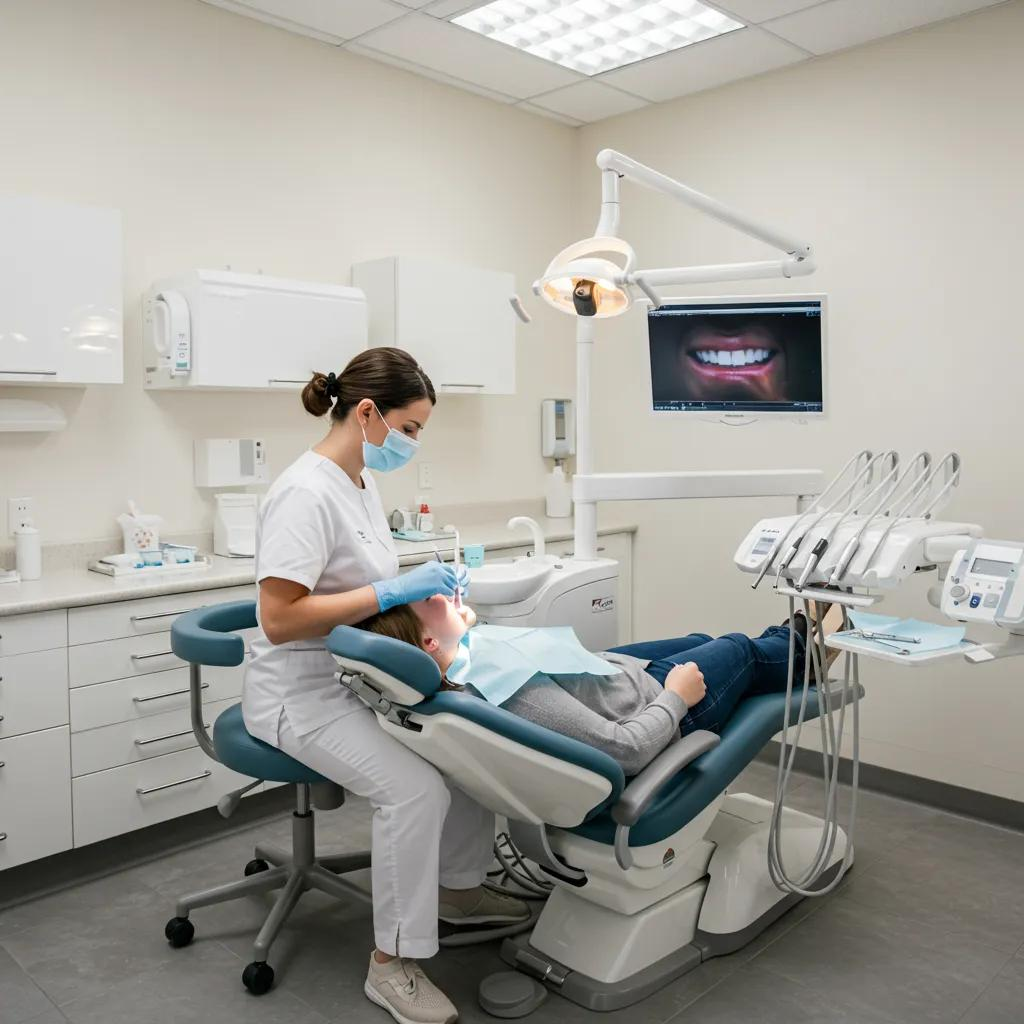
At Beautiful Smiles Ontario, we prioritize professional dental hygiene as a vital approach to preventing, diagnosing, and addressing oral health risks. This article will guide you through the ins and outs of routine and advanced cleanings, the importance of preventative dentistry for your overall health, and effective at-home strategies to complement your clinical care. Our mission is to help you regain your oral health and confidence through expert oral surgery and dental implant services, all while providing compassionate, top-notch dental care to the Ontario community. Many individuals postpone dental visits until issues arise, but early detection and regular hygiene can halt disease progression, minimize the need for invasive treatments, and keep your smile radiant. In the sections below, we’ll discuss what to expect during a professional teeth cleaning, how preventative care safeguards your oral health, signs and stages of gum disease, recommended home-care products and techniques, solutions for chronic bad breath, and why you should choose Beautiful Smiles Ontario for comprehensive hygiene and gum health. Throughout this guide, you’ll find practical steps, comparison tables, and product- and procedure-focused insights tailored for those seeking an Ontario dentist or teeth cleaning nearby.
Ready to Experience Your Dream Smile?
Take the first step towards a confident, radiant smile. Our expert team is ready to provide a personalized assessment and discuss your unique goals.
What Are Professional Teeth Cleaning Services in Ontario, CA?
Professional teeth cleaning, also known as prophylaxis, is a clinical procedure designed to eliminate plaque, tartar, and surface stains, effectively preventing cavities and gum disease. Our skilled dental hygienists utilize a blend of manual tools and advanced devices to disrupt biofilm and remove hardened calculus that regular brushing can’t tackle, thereby reducing inflammation and restoring gum health. Each cleaning session includes an oral exam and charting to identify early signs of decay or changes in soft tissue, which supports timely treatment and enhances long-term outcomes. Familiarizing yourself with these steps will prepare you for your appointment and clarify the distinction between routine prophylaxis and more intensive periodontal therapy, which is crucial for customizing your follow-up care.
The following section outlines the patient experience during a cleaning, so you’ll know exactly what to expect from the exam to the polish, ensuring your comfort throughout the visit.
What to Expect During a Professional Dental Cleaning Appointment
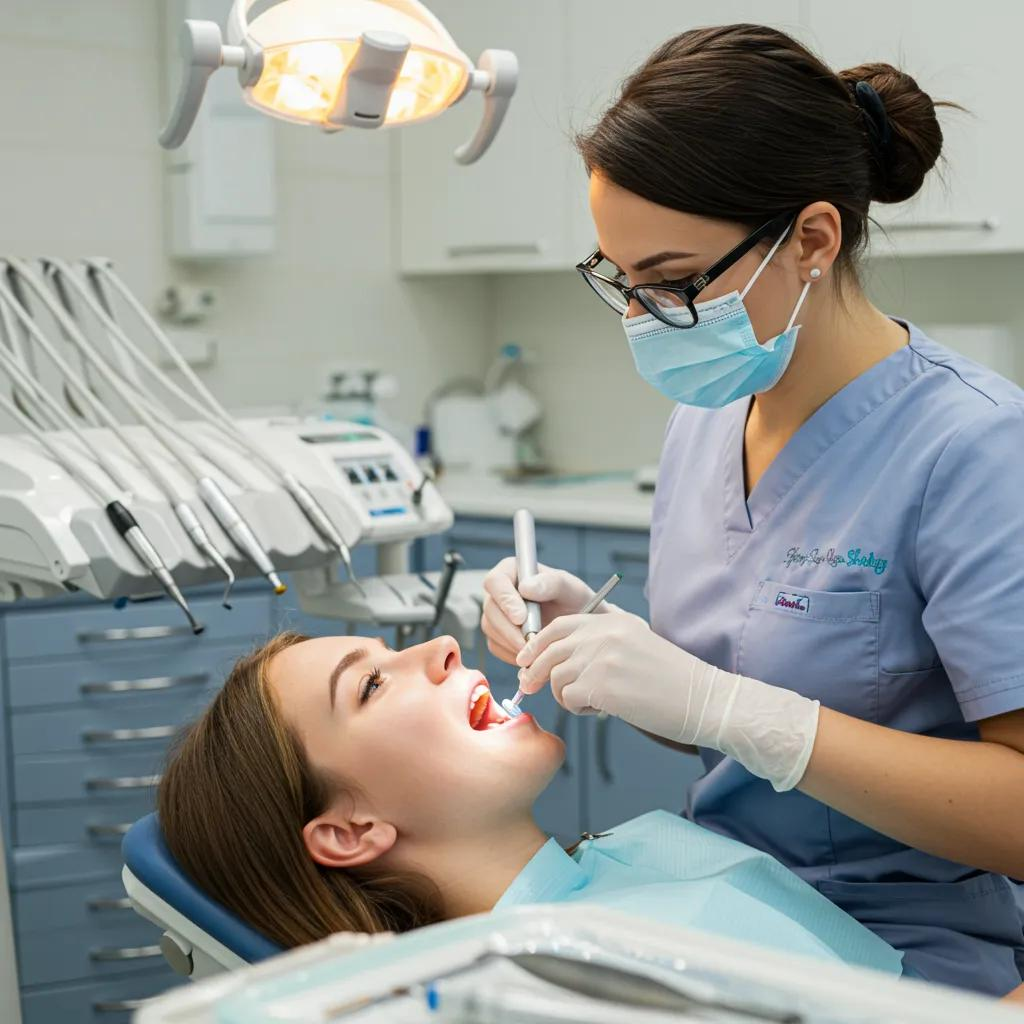
Your routine cleaning will start with a focused oral exam and charting of existing restorations and gum health; this diagnostic step helps identify areas that may need special attention. The hygienist will then employ ultrasonic scalers and hand instruments to remove plaque and tartar both above and below the gumline, followed by polishing with a brush and prophylaxis paste to eliminate surface stains and smooth your enamel. After polishing, flossing and fluoride application may be performed to strengthen enamel and alleviate sensitivity, and the clinician will provide personalized home-care recommendations based on your exam. Most patients find the process straightforward and manageable, and understanding the sequence can help ease anxiety and encourage adherence to scheduled visits.
How Often Should You Get Your Teeth Cleaned for Optimal Oral Hygiene?
Standard recommendations suggest professional teeth cleaning every six months to maintain oral health by consistently removing biofilm and preventing tartar buildup that can lead to cavities and gingivitis. Patients with specific risk factors—such as smokers, individuals with diabetes, those with a history of periodontal disease, or people with implants—often require more frequent visits, typically every three to four months, to keep inflammation and pocket depth in check. Your dentist or hygienist will recommend a personalized cleaning schedule based on probing depths, bleeding on probing, and overall systemic health, optimizing prevention and minimizing the need for invasive treatments. Discussing these factors during your appointment ensures a care plan that balances clinical necessity with practical scheduling.
How Does Preventative Dental Care Protect Your Oral Health?
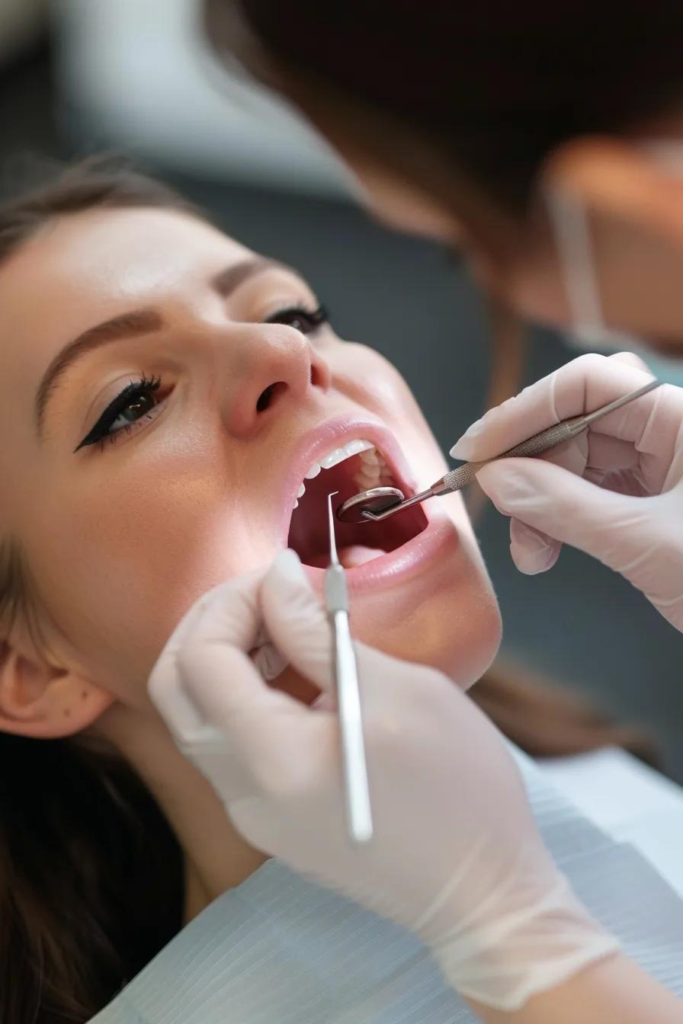
Preventative dental care is essential for disease prevention, as it interrupts the biological processes that lead to cavities and periodontal breakdown through regular biofilm removal, early diagnostic screening, and targeted interventions. By identifying decay, soft-tissue abnormalities, and occlusal issues early on, routine exams can significantly reduce the need for restorative or surgical procedures and help preserve tooth structure. Preventative measures also encompass topical fluoride, dental sealants, and patient education that strengthen enamel and limit bacterial colonization; collectively, these steps lower lifetime treatment costs and safeguard systemic health connections linked to oral inflammation. Recent studies indicate that consistent preventative care leads to fewer emergency visits and improved overall health outcomes, underscoring the importance of maintenance routines.
Here are the key benefits you can expect from regular check-ups and cleanings, providing a clear view of how prevention pays off in your daily oral health.
Disease Prevention: Regular plaque and tartar removal significantly reduces the risk of cavities and gingivitis.
Early Detection: Routine exams catch decay, oral lesions, and restorative issues before they worsen.
Cost Savings: Preventing disease progression helps avoid complex and costly treatments later on.
Improved Comfort and Function: Healthy gums and smooth tooth surfaces enhance comfort and chewing efficiency.
These benefits illustrate why scheduling routine care appointments is an investment in your oral stability and long-term confidence; next, we’ll explore the biological mechanisms by which these interventions halt disease progression.
What Are the Key Benefits of Regular Dental Check-ups and Cleanings?
Regular check-ups and professional cleanings help reduce plaque-mediated inflammation and prevent enamel demineralization, providing both immediate comfort and long-term preservation of your teeth. Examinations include visual inspections and sometimes radiographs to detect interproximal decay or bone changes, enabling clinicians to address issues early and minimize restorative work. Preventative services such as fluoride varnish and sealants create a protective barrier for vulnerable surfaces, especially in children and patients at high risk for cavities. Overall, these elements work together to maintain oral homeostasis and decrease the likelihood of progression to periodontal disease or tooth loss.
Understanding these benefits empowers patients to prioritize routine care and engage in preventive behaviors at home that reinforce clinical efforts.
How Does Preventative Care Help Avoid Gum Disease and Tooth Decay?
Preventative care disrupts the disease pathway by removing plaque biofilm that harbors harmful bacteria and by reducing gingival inflammation that can lead to pocket formation and bone loss. Professional debridement lowers bacterial load, while timely restorations seal off areas where decay can initiate, effectively halting the destructive cycle early. When providers combine mechanical cleaning with patient education on effective brushing and interdental cleaning, the result is sustained reductions in bleeding on probing and slower pocket progression. These mechanisms explain why consistent professional and at-home measures are the most reliable defense against both decay and periodontal disease.
An evidence-based preventative plan tailored to individual risk factors minimizes the need for advanced procedures and supports stable oral health over time.
What Are the Signs, Symptoms, and Treatments for Gum Disease?
Gum disease can range from reversible gingivitis to progressive periodontitis, with symptoms that indicate the need for professional evaluation and staged treatment pathways. Early signs include gum bleeding, redness, and tenderness, which typically respond well to improved hygiene and routine cleanings. Advanced disease presents deeper periodontal pockets, tooth mobility, receding gums, and bone loss visible on imaging; these stages necessitate focused periodontal therapy such as scaling and root planing or surgical intervention when required. Mapping symptoms to treatment helps patients take timely action and follow through with maintenance that prevents recurrence.
How Can You Recognize Early Signs of Gum Disease?
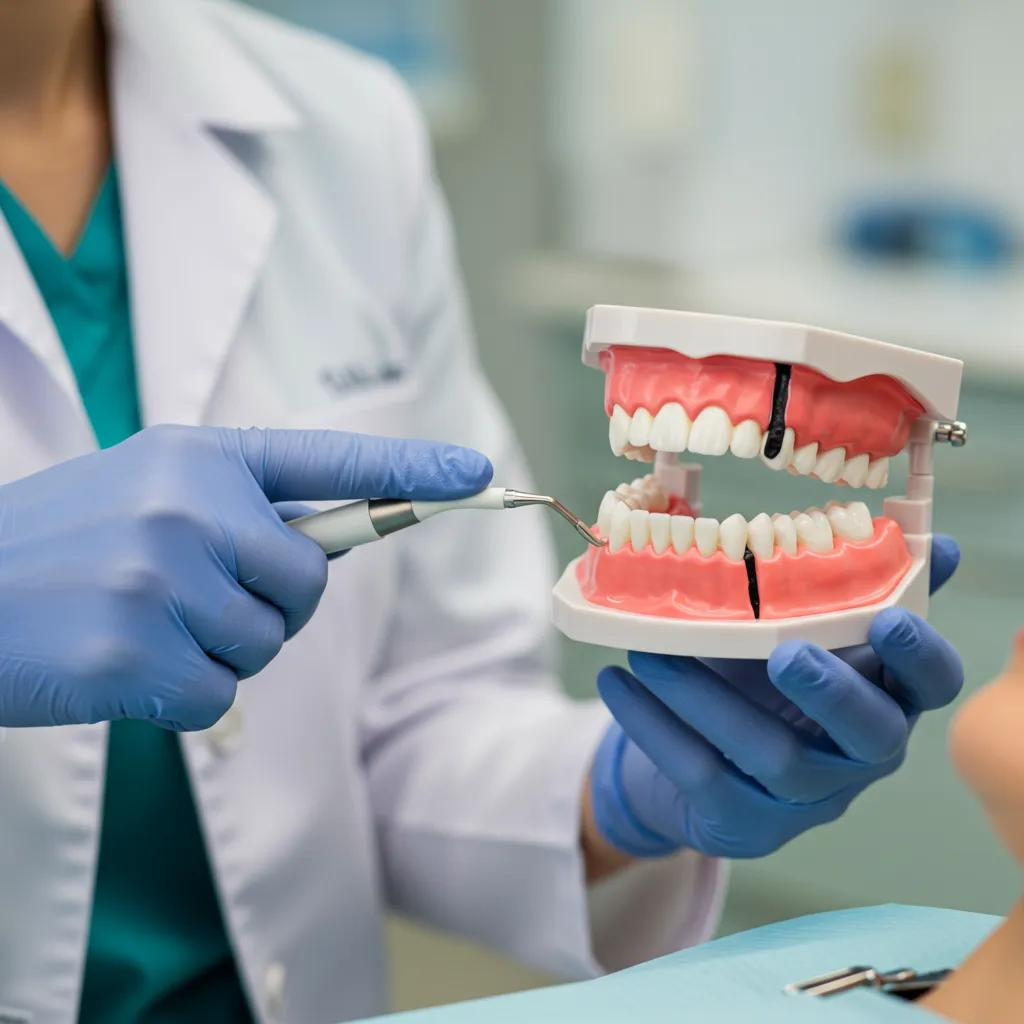
Early recognition relies on daily self-checks and awareness of symptoms such as bleeding during brushing or flossing, persistent bad breath, and red or swollen gums that do not improve with enhanced hygiene. Patients should also be mindful of changes like gum recession, sensitivity, or a feeling of teeth shifting, which can indicate pocket formation and underlying bone loss. If you notice these signs, schedule a dental visit promptly for charting and probing to assess pocket depths and plan appropriate treatment. Timely professional assessment enables conservative therapy that restores periodontal health without extensive surgery.
Prompt detection and treatment are the most effective ways to prevent long-term damage and preserve your natural teeth.
What Is Scaling and Root Planing and How Does It Treat Gum Disease?
Scaling and root planing (SRP) is a non-surgical periodontal procedure aimed at removing subgingival plaque and calculus while smoothing root surfaces to allow gums to reattach and reduce pockets. The clinician typically administers local anesthesia as needed, utilizes ultrasonic scalers to break up deposits, and performs manual root planing to eliminate residual roughness; this reduces bacterial reservoirs and promotes healing. After SRP, follow-up includes antimicrobial rinses, improved home care, and a maintenance schedule often set at three to four months to monitor tissue response. When performed early, SRP can significantly lower pocket depths and bleeding, enhancing prognosis and often eliminating the need for surgical intervention.
At-Home Oral Hygiene: Top Practices and Products
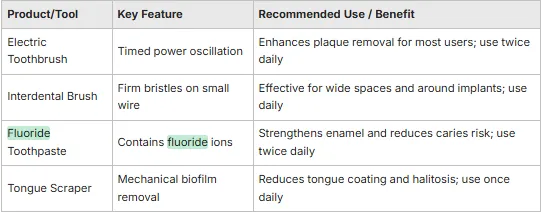
Effective at-home hygiene combines proper technique with suitable products to complement professional care and minimize disease risk. Brushing twice daily with fluoride toothpaste, daily interdental cleaning, and routine tongue cleaning help eliminate the majority of biofilm and limit the production of volatile sulfur compounds that contribute to bad breath. Product selection depends on individual needs—electric toothbrushes enhance plaque removal for many users, interdental brushes assist patients with wider spaces, and antimicrobial mouthwashes can help reduce bacterial load in specific situations. Pairing these practices with periodic professional guidance ensures that at-home efforts align with clinical observations and risk-based intervals.
The table below compares common oral hygiene tools by feature and recommended use, allowing you to select items that suit your needs and dexterity.
Oral Hygiene Product Comparison
This comparison helps customize at-home routines to individual oral anatomy and risk profiles, reinforcing professional cleanings and minimizing the recurrence of disease.
Which Brushing and Flossing Techniques Improve Dental Hygiene?
Optimal brushing involves a 45-degree angle toward the gumline, gentle circular or short back-and-forth strokes, and a total duration of two minutes to ensure thorough coverage of all surfaces. Flossing should follow a “C-shape” around each tooth and reach beneath the gumline to remove interdental biofilm; alternatives like floss picks or interdental brushes provide options for those with limited dexterity or orthodontic appliances. Patients with implants, bridges, or braces often require specialized tools and techniques—interdental brushes or water flossers can be particularly beneficial in these cases. Consistent, effective technique combined with periodic professional feedback yields the best prevention of interproximal decay and periodontal inflammation.
Practice and patient education reinforce these techniques, and clinicians can demonstrate proper motions during appointments to enhance long-term compliance.
What Are the Recommended Dental Hygiene Products for Healthy Teeth and Gums?
Select products with proven active ingredients and appropriate design features: a fluoride toothpaste with an ADA seal supports enamel remineralization, while a soft-bristled brush minimizes gingival abrasion when used correctly. Electric toothbrushes with timers and pressure sensors can enhance technique and reduce over-brushing; interdental brushes are recommended for patients with larger embrasure spaces or implants, and waxed floss or floss holders may suit those with tight contacts. Antiseptic mouthwashes containing chlorhexidine or cetylpyridinium chloride can be used short-term for gingival inflammation under clinician guidance, and tongue scrapers provide a simple mechanical method to reduce coating and halitosis. Choosing the right combination depends on clinical findings, personal preference, and any prosthetic considerations.
Ready for Your Confident, Transformed Smile?
Take the definitive step towards achieving the radiant smile you deserve. Our expert team is prepared to provide a comprehensive, personalized evaluation and discuss your unique aesthetic and functional goals.
How Can Professional Dental Hygiene Services Address Bad Breath?
Professional hygiene effectively tackles halitosis by targeting oral sources of volatile sulfur compounds through plaque removal, treatment of periodontal pockets, and guidance on tongue cleaning and hydration strategies. Chronic bad breath typically originates in the oral cavity—especially from tongue coatings, periodontal disease, and food debris trapped around restorations—so clinical interventions focus on eliminating these reservoirs and reducing bacterial load. If oral sources are managed and halitosis persists, clinicians may recommend a medical evaluation to rule out non-oral causes such as sinus disease, gastrointestinal issues, or xerostomia. Combining targeted in-office therapy with daily routines yields the most reliable reduction in chronic halitosis.
The following list highlights common causes, helping patients differentiate between transient and persistent contributors and seek appropriate care.
Oral Bacterial Sources: Plaque, periodontal pockets, and tongue coatings drive most chronic cases.
Dry Mouth (Xerostomia): Reduced salivary flow decreases natural cleansing and increases odor.
Non-Oral Conditions: Respiratory, gastrointestinal, or systemic issues may cause persistent halitosis and warrant medical referral.
After addressing these causes clinically, the next section outlines combined professional and at-home strategies that effectively eliminate or control malodor.
What Are the Common Causes of Chronic Bad Breath?
Chronic halitosis typically arises from bacterial degradation of proteins in the mouth, producing volatile sulfur compounds, often linked to periodontal pockets, tongue coatings, and retained food debris around restorations. Dry mouth exacerbates this issue by reducing salivary flow that normally dilutes and clears odorous compounds, and certain medications or systemic conditions can contribute to xerostomia. Distinguishing transient food-related breath from persistent malodor is crucial; persistent symptoms that do not respond to improved oral hygiene should prompt a dental visit and possibly a medical evaluation. Identifying the root cause allows clinicians to target therapy and measure outcomes effectively.
Early professional assessment prevents unnecessary progression and directs appropriate maintenance or medical referral when needed.
What Professional and At-Home Treatments Help Eliminate Halitosis?
Clinical approaches include comprehensive cleaning to remove subgingival and supragingival bacterial reservoirs, targeted periodontal therapy when pockets are present, and instruction in tongue cleaning techniques that reduce the largest oral reservoir of odor-causing bacteria. At home, daily tongue scraping, consistent interdental cleaning, use of salivary stimulants for dry mouth, and short-term antimicrobial rinses as recommended by a clinician form an effective regimen. Hydration and dietary adjustments that limit highly odorous foods and promote saliva production can complement mechanical measures. When non-oral causes are suspected, coordinated care with medical professionals ensures comprehensive diagnosis and management.
Implementing both office-based and home-based measures maximizes the chances of sustained halitosis control and enhances patient confidence.
Oral Hygiene and Dental Care: Key to a Healthy Smile and Wellness
At Beautiful Smiles Ontario, we are dedicated to helping patients restore their oral health and confidence through expert oral surgery and dental implant services, all while delivering compassionate, high-quality dental care to the Ontario community. Our approach centers on comprehensive prevention and patient comfort, offering a wide range of services including family dentistry, general dentistry, dental cleaning, scaling and root planing, fluoride treatment, oral cancer screening, dental sealants, Invisalign, root canal treatment, emergency dentistry, cosmetic dentistry, and same-day services. We emphasize compassionate, cutting-edge care that connects routine hygiene to advanced restorative options like implants and oral surgery when clinically indicated, ensuring continuity from prevention to definitive treatment. By integrating hygiene within a full-service continuum, we help patients avoid gaps in care and facilitate coordinated treatment plans when more complex interventions become necessary.
In addition to our extensive procedural offerings, Beautiful Smiles Ontario highlights clinician expertise and thoughtful technology choices that enhance diagnostics and patient experience while aligning hygiene with long-term restorative goals.
How Does Dr. Hosny’s Expertise Enhance Your Dental Care Experience?
Dr. Hosny brings recognized clinical experience and a patient-centered approach that emphasizes accurate diagnosis, conservative treatment planning, and clear communication to empower patients in making informed decisions about prevention and therapy. His background supports a practice philosophy where hygiene is directly linked to overall treatment goals—for instance, stabilizing periodontal health before implant placement or cosmetic work—which improves outcomes and patient satisfaction. Patients benefit from this continuity because the same clinical judgment that guides advanced procedures also establishes evidence-based maintenance intervals and monitors response to therapy. This integration of expertise and compassionate care fosters trust and alleviates anxiety for patients navigating complex dental needs.
Such clinician-led coordination ensures that preventive measures are purposeful and aligned with long-term restorative or surgical planning when required.
What Advanced Technologies Are Used for Cutting-Edge Dental Hygiene?
Advanced diagnostic and cleaning technologies enhance detection and patient comfort during hygiene visits by providing clearer visualization and more efficient plaque removal. Tools such as intraoral cameras and digital x-rays improve early detection of decay and soft-tissue changes by revealing areas that are difficult to see with the naked eye, while ultrasonic scalers and air polishers offer effective, minimally invasive removal of calculus and stains. These technologies support precise treatment decisions and faster appointments, often reducing post-treatment sensitivity compared to less targeted methods. When combined with clinical expertise, modern equipment helps deliver predictable hygiene outcomes and better monitoring of disease progression over time.
Investing in these technologies enhances both patient comfort and diagnostic accuracy, making routine care more effective and efficient.
At Beautiful Smiles Ontario, we are committed to helping patients restore their oral health and confidence through expert oral surgery and dental implant services, while providing compassionate, high-quality dental care to the Ontario community. If you’re ready to prioritize prevention or have noticed signs of gum disease or persistent bad breath, schedule a consultation or a professional cleaning with Beautiful Smiles Ontario to review your personalized oral health plan and maintenance schedule. A focused hygiene visit, combined with a tailored at-home routine, will protect your smile, reduce the need for invasive treatments, and connect your preventive care to any restorative goals you may have.
Frequently Asked Questions
Dental anxiety is quite common, but there are several strategies to help manage it. Share your concerns with your dental hygienist or dentist before your appointment; they can provide reassurance and adjust the procedure to enhance your comfort. Techniques such as deep breathing, listening to music, or bringing a friend for support can also be beneficial. Additionally, sedation options are available for those with severe anxiety, allowing you to undergo treatment in a relaxed state. Remember, addressing your anxiety is an important step towards maintaining your oral health.
Maintaining oral health between dental visits involves a consistent at-home care routine. Brush your teeth twice daily with fluoride toothpaste, floss daily to remove plaque between teeth, and consider using an antimicrobial mouthwash to reduce bacteria. Additionally, stay hydrated to promote saliva production, which naturally cleanses the mouth. Regularly check for any changes in your oral health, such as bleeding gums or persistent bad breath, and report these to your dentist. A balanced diet low in sugar also supports oral health by minimizing cavity risk.
Absolutely! A balanced diet plays a crucial role in maintaining dental health. Focus on consuming foods rich in calcium and phosphorus, such as dairy products, leafy greens, and nuts, which help strengthen teeth. Incorporate crunchy fruits and vegetables like apples and carrots, which can naturally clean teeth and stimulate gums. Limit sugary snacks and beverages, as they contribute to plaque buildup and cavities. Additionally, stay hydrated and consider drinking fluoridated water to further support enamel health. A well-rounded diet not only benefits your teeth but also your overall health.
Signs that you may require a deeper cleaning, such as scaling and root planing, include persistent gum bleeding, swollen or receding gums, and bad breath that does not improve with regular hygiene practices. If you notice pockets forming between your gums and teeth or experience tooth sensitivity, these may indicate gum disease that requires more intensive treatment. Regular dental check-ups are essential for identifying these issues early, so be sure to discuss any concerns with your dentist during your visits.
Smoking significantly impacts oral health by increasing the risk of gum disease, tooth decay, and oral cancer. It reduces blood flow to the gums, impairing healing and making it harder for your body to fight infections. Smokers often experience more plaque buildup and tartar, necessitating more frequent dental cleanings. To mitigate these effects, it’s crucial to maintain a rigorous oral hygiene routine, including regular dental visits, and consider quitting smoking. Your dentist can provide resources and support to help you quit and improve your overall oral health.
During your first visit to a new dental hygienist, you can expect a comprehensive assessment of your oral health. The hygienist will review your medical history, discuss any concerns, and perform a thorough cleaning that includes plaque and tartar removal, polishing, and possibly fluoride treatment. They may also take X-rays to evaluate your dental health further. This visit is an opportunity to establish a rapport, so feel free to ask questions about your oral care routine and any specific needs you may have. Open communication is key to a successful dental experience.
It is recommended to replace your toothbrush every three to four months, or sooner if the bristles become frayed. A worn toothbrush is less effective at cleaning teeth and can harbor bacteria. Additionally, after recovering from an illness, it’s wise to replace your toothbrush to prevent reinfection. Using an electric toothbrush can also be beneficial, as many models come with built-in timers and pressure sensors to enhance your brushing technique and ensure thorough cleaning.