
Dental Crowns and Bridges: Expert Care at Beautiful Smiles Ontario
At Beautiful Smiles Ontario, we understand how important a healthy, confident smile is. Dental crowns and bridges are wonderful restorative solutions designed to bring back your tooth function and beautiful appearance after damage or tooth loss, helping you chew comfortably and smile brightly here in Ontario, CA. This comprehensive guide will walk you through what crowns and bridges are, explore various material options like porcelain and zirconia, detail the step-by-step process, and provide realistic local cost estimates along with helpful planning strategies. Many of our patients feel a bit unsure when choosing between a fixed bridge, an implant-supported option, or even a same-day crown — this guide offers clear, practical insights to help you decide based on what matters most to you: durability, cost, and treatment timeline. You’ll also discover essential aftercare tips to ensure your restorations last, plus a clear explanation of what to expect at each appointment so you can plan your journey with complete confidence. In the sections ahead, we’ll cover definitions and benefits, compare materials and discuss our convenient same-day CAD/CAM options, outline the procedural steps for both crowns and bridges, delve into Ontario-specific cost factors and estimates, share our best practices for care and maintenance, and explain why Beautiful Smiles Ontario is your ideal partner for personalized, compassionate restorative care.
Ready to Experience Your Dream Smile?
Take the first step towards a confident, radiant smile. Our expert team is ready to provide a personalized assessment and discuss your unique goals.
Dental Crowns & Bridges: Their Role in Restoring Your Smile
Dental crowns are custom-crafted caps that gently encase a damaged tooth, restoring its strength and natural shape, while bridges are multi-unit restorations designed to replace one or more missing teeth by gracefully spanning the gap, often supported by neighboring teeth or dental implants. Crowns are fantastic for protecting a weakened tooth from further fracture and bringing back comfortable chewing surfaces, whereas bridges work wonders by restoring your bite and preventing adjacent teeth from shifting out of place. Both of these trusted approaches significantly enhance your oral function, improve speech clarity, and beautifully restore your smile’s aesthetics, all while addressing underlying dental health concerns like large fillings, fractures, or tooth loss. Understanding these vital roles helps clarify when a single-tooth crown is your best choice versus when a bridge or an implant-supported option might better serve your long-term oral health and overall bite harmony.
We’re dedicated to helping our patients restore their oral health and confidence through expert oral surgery and dental implant services, all while delivering compassionate, high-quality dental care to our wonderful Ontario community.
Next, we’ll share practical examples of when crowns and bridges are recommended, and how each option contributes to a stable bite and a beautiful appearance. The following two subsections will explain specific crown indications and delve into the mechanics and various types of bridges, empowering you to match your unique situation with the perfect solution.
What is a Dental Crown & How Does It Bring Back Your Tooth's Strength?
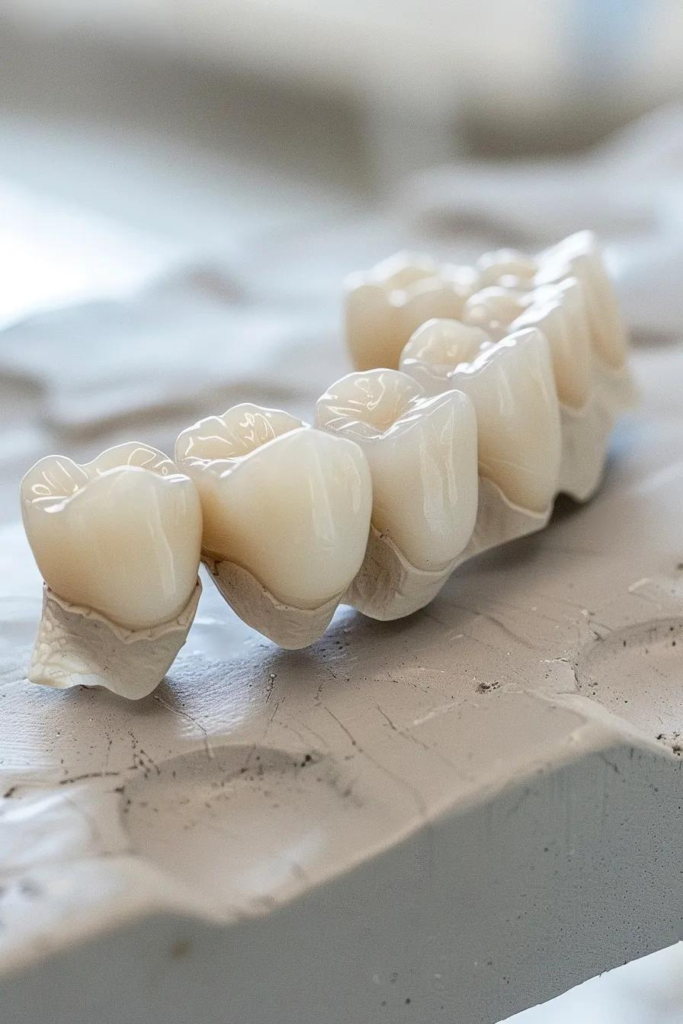
A dental crown works by completely covering a tooth, effectively redistributing biting forces and creating a protective seal to prevent future decay. We often recommend crowns for teeth with extensive cavities that have compromised their structure, fractured teeth, or teeth that have undergone root canal therapy and need extra reinforcement. The material of your crown—whether it’s porcelain, zirconia, metal, or E-max—plays a key role in its aesthetics and strength; the bonding cement and a precise margin fit are absolutely crucial for its long-term success. Crowns also beautifully restore your bite alignment and can be perfectly matched to your adjacent teeth, ensuring a seamless, continuous smile. Knowing when a crown is the right choice helps you avoid painful emergency fractures and preserves your essential oral function.
These protective and restorative benefits naturally lead us to explore how bridges expertly recreate missing tooth anatomy, which we’ll explain next.
How Do Dental Bridges Replace Missing Teeth? Types & Functions Explained
A dental bridge beautifully replaces a missing tooth by suspending a pontic (that’s our replacement tooth!) between abutment units, which can be either your natural, prepared teeth or sturdy implant abutments. This restores your chewing surface and contact points, bringing back comfort and function. Common types include traditional three-unit bridges that rely on prepared adjacent teeth, cantilever bridges anchored on just one side, Maryland bridges that use discreet bonded retainers, and implant-supported bridges which attach directly to implant fixtures for superior bone preservation. Bridges are fantastic for preventing neighboring teeth from shifting, restoring clear speech and efficient chewing, and can be chosen based on the health of your adjacent teeth and available bone. When bone or abutment teeth are compromised, an implant-supported solution often offers a better, more predictable long-term outcome.
Choosing the right bridge type truly depends on the condition of your supporting teeth and your long-term smile goals, which brings us to the detailed material choices for single-tooth crowns and their unique advantages.
Restoring Your Smile: The Importance of Dental Crowns and Bridges
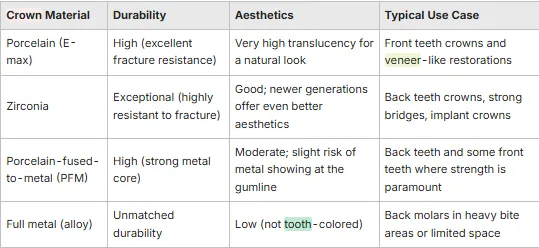
At Beautiful Smiles Ontario, we offer crowns in several fantastic material families—including porcelain-fused-to-metal, full-porcelain (E-max), full-zirconia, and durable metal alloy crowns—each thoughtfully balancing aesthetics, strength, and cost to meet your unique needs. Porcelain and E-max provide stunning translucency, making them perfect for front teeth where excellent color matching is key, while zirconia offers incredible fracture resistance and is increasingly popular for strong back tooth restorations and full-arch frameworks. For those with heavy grinding habits or specific bite situations, metal or metal-ceramic options remain incredibly wear-resistant. Your material selection should always be guided by the tooth’s location, your bite forces, your aesthetic desires, and whether the convenience of same-day CAD/CAM fabrication is a priority for you. Understanding these distinct attributes empowers both you and our clinicians to select a crown that perfectly meets your functional needs without ever sacrificing your beautiful appearance.
Below, you’ll find a helpful comparison table designed to clarify the performance and typical uses for various crown materials.
Porcelain, Zirconia, & Metal Crowns: A Closer Look at Your Material Choices
Porcelain (E-max) crowns truly shine when translucency is key, mimicking natural enamel beautifully, making them perfect for your front teeth where appearance matters most; they bond wonderfully but might be less resilient under extremely heavy chewing forces. Zirconia crowns, on the other hand, boast exceptional fracture resistance, making them ideal for back teeth or multi-unit frameworks; our modern layered zirconia options even improve translucency while maintaining incredible strength. Metal crowns, including gold or other alloys, offer the greatest longevity and minimal wear to opposing teeth, but they do lack translucency and are typically reserved for less visible molars. Your decision on material will be guided by cost, your longevity expectations, and the tooth’s specific role in chewing; rest assured, our skilled restorative dentists will carefully weigh all these factors to recommend the perfect match for you.
Understanding these material trade-offs helps us explore the choice between traditional lab-made and our convenient same-day restorations, which we’ll discuss next.
The Magic of Same-Day Crowns: How They Work & Who Benefits Most
Imagine getting your final restoration in just one visit! Our same-day crowns make this possible by utilizing advanced CAD/CAM digital scans, in-office milling, and expert ceramic finishing. This innovative process significantly reduces the need for temporary crowns and eliminates extra appointments. The journey begins with a comfortable digital impression, followed by sophisticated design software to precisely model your crown, and then a chairside mill expertly fabricates your restoration from a ceramic block; final polishing and secure cementation complete your visit. Patients who are ideal candidates for same-day crowns are those needing single-unit restorations without overly complex aesthetic layering, those who simply prefer fewer appointments, or anyone with busy schedules and time constraints. For more intricate cases requiring detailed layered aesthetics or multi-unit frameworks, traditional lab-fabricated crowns may still offer superior shade characterization and are always an option.
When speed and convenience are top priorities, our CAD/CAM technology is truly compelling. Our next major topic will describe the entire procedural timeline for both crowns and bridges, so you’ll know exactly what to expect every step of the way.
Your Journey to a Restored Smile: The Dental Crown & Bridge Procedure, Step-by-Step
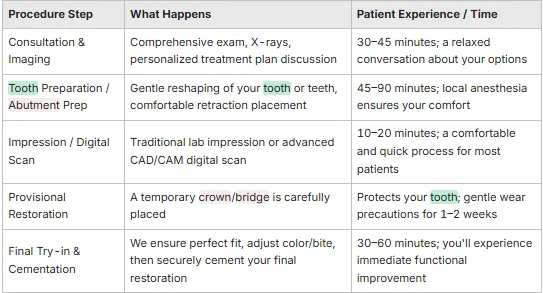
We believe a clear procedural roadmap helps ease any anxiety and sets clear expectations for your treatment. Crowns typically involve a thorough evaluation, gentle tooth preparation, a precise impression or digital scan, a comfortable temporary restoration, and finally, secure cementation. Bridges follow a similar path but also include careful assessment of the supporting teeth (abutments) and the fabrication of the replacement tooth (pontic). Your initial consultation will include a comprehensive clinical exam, necessary radiographs, and a personalized treatment plan. This is followed by preparation, where we gently reshape your tooth structure and capture precise impressions or digital scans. Temporaries will protect your prepared teeth while our lab or chairside mill expertly fabricates your final restoration. A subsequent try-in and careful adjustments ensure perfect bite alignment and fit before definitive cementation. Your recovery will focus on managing any short-term sensitivity and a gradual return to normal chewing; long-term success truly depends on excellent oral hygiene and regular professional check-ups.
The table below breaks down each appointment step, detailing what happens and what you can typically expect in terms of experience and time.
Your Crown Journey: What to Expect When Getting a Dental Crown
Your journey to a beautiful crown begins with a thorough diagnostic visit, including necessary radiographs and a personalized treatment plan to confirm your structural needs and ideal material choice, ensuring your crown perfectly addresses both function and aesthetics. Preparation involves comfortable local anesthesia, careful removal of any decay or compromised structure, and gently reshaping your tooth for a precise crown fit; meticulous margins are absolutely essential to prevent any future leakage. A detailed impression or digital scan captures your tooth’s exact geometry; a temporary crown then lovingly protects your prepared tooth until your final restoration is expertly fabricated. At your final appointment, we’ll carefully try in your crown, fine-tune your bite, and then securely cement or bond the restoration; post-op instructions will focus on excellent hygiene and comfortably managing any sensitivity. Regular monitoring ensures the integrity of the seal and long-term, beautiful performance.
These clinic steps seamlessly transition into the multi-unit considerations essential for bridges, which we’ll discuss next
The Bridge to a Complete Smile: Your Dental Bridge Placement Process
Bridge placement begins with a careful assessment of your potential abutment teeth and a thorough radiographic evaluation to ensure they can confidently support a fixed prosthesis; if not, we may discuss implant planning as an alternative. Abutment teeth are prepared similarly to crowns—gently reduced to receive the retainers—and impressions or scans precisely capture your bite relationships and the contours of the replacement tooth (pontic). A provisional bridge maintains proper spacing and function while our laboratory or CAD/CAM system expertly fabricates your final bridge; meticulous attention to pontic hygiene zones is absolutely critical for healthy surrounding tissue. Final insertion includes careful fit verification, precise bite balancing, and secure cementation; we’ll provide you with clear instructions for cleaning under your pontics using floss threaders or interdental brushes. Follow-up checks confirm the vitality of your abutment teeth and periodontal stability to preserve lasting function.
Next, we’ll review cost considerations specific to our Ontario, CA community and share practical ways to plan for these important expenses.
.
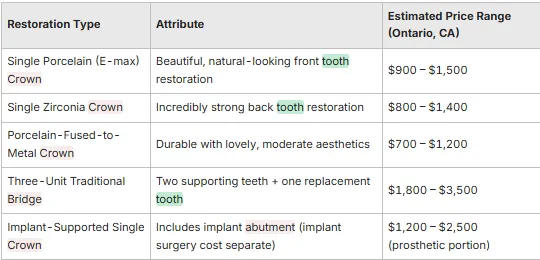
Dental Crown & Bridge Costs in Ontario, CA: What to Expect & How to Plan
The cost for crowns and bridges can vary, influenced by factors like the chosen material, laboratory fees, the complexity of your tooth preparation, and whether additional procedures like implant placement or root canals are needed. Here in Ontario, CA, typical single crown ranges depend on the material—porcelain or E-max crowns often cost a bit more than full-zirconia or metal crowns due to the intricate lab work and aesthetic layering involved—while bridges add expense proportionate to the number of units and any need for implants. Our regional lab partnerships, advanced CAD/CAM workflows, and our clinicians’ extensive experience also play a role in pricing. Understanding these key factors empowers you to budget effectively and choose options that beautifully align with both your financial comfort and your long-term oral health goals.
Below is a simplified cost-estimate table for common crown and bridge options in the Ontario, CA market, designed to help guide your planning; please remember, actual quotes will vary based on clinical complexity and specific material choices.
What Factors Influence the Cost of Your Dental Crowns & Bridges?
Several key factors directly influence the price of your restoration: the chosen material (like strong zirconia versus beautifully layered porcelain), the number of units involved, the quality of the dental laboratory, and whether dental implants are needed to support your restoration. Any additional pre-treatment, such as root canal therapy, periodontal therapy, or bone grafting, will increase the overall cost and may even change the recommended prosthetic approach. Our provider experience and the use of advanced technologies like in-office CAD/CAM milling or premium dental ceramics also play a role in our pricing. Understanding these variables empowers you to confidently compare estimates and prioritize treatments that offer optimal durability and exceptional value for your smile.
These cost influences naturally lead us to practical ways you can plan and finance your care, which we’ll detail next.
Smart Planning: How to Budget for Your Dental Crown & Bridge Expenses
Planning for your dental care is important, and we’re here to help! Your options include verifying your insurance coverage for prosthodontic services, maximizing tax-advantaged accounts like HSAs/FSAs, and exploring our convenient in-office payment plans or third-party financing options when available. Considering phased treatment—addressing urgent needs first and scheduling elective aesthetic work later—can help spread costs and manage your out-of-pocket expenses more comfortably. We always recommend requesting a written estimate that clearly itemizes prosthetic, laboratory, and any surgical fees; this clarifies financial expectations and supports your informed decisions. An open conversation with your dentist about material alternatives and staged options can beautifully align your clinical goals with your budget constraints.
These financing and planning steps naturally lead us into the essential maintenance practices that will protect your valuable investment in your smile.
Ready for Your Confident, Transformed Smile?
Take the definitive step towards achieving the radiant smile you deserve. Our expert team is prepared to provide a comprehensive, personalized evaluation and discuss your unique aesthetic and functional goals.
Caring for Your New Smile: Aftercare & Longevity Tips for Crowns & Bridges
Excellent home care and routine professional monitoring are key to maximizing the lifespan of your beautiful crowns and bridges. By diligently protecting the margins, abutment teeth, and surrounding tissues, you ensure lasting health. Daily hygiene, including gentle brushing and thorough interproximal cleaning, is crucial for preventing decay at crown margins and maintaining healthy gums; avoiding hard foods and habits like clenching or grinding significantly reduces the risk of fracture. Regular dental visits with us will include careful bite checks, professional polishing, and early intervention for any recurrent decay or loosening. Paying prompt attention to any sensitivity, chips, or changes in your bite helps prevent small issues from becoming costly failures. These simple yet effective practices preserve the function, appearance, and overall health of your surrounding oral structures for years to come.
Below is a concise “dos-and-don’ts” list to guide you after receiving your new crown or bridge.
Do brush twice daily with a soft-bristled brush and fluoride toothpaste to lovingly protect your crown margins.
Do meticulously clean under pontics and between retainers using floss threaders or interdental brushes for optimal hygiene.
Do attend your regular dental checkups for essential bite adjustments and professional maintenance.
Don’t chew on hard items like ice or hard candy that could potentially fracture your beautiful restorations.
Don’t ignore persistent sensitivity or any feeling of looseness—please schedule a prompt evaluation with us.
These actionable steps are designed to help prevent complications and beautifully extend the longevity of your prosthesis. The next two subsections will provide specific care details tailored for crowns and bridges.
Maintaining Your Dental Crowns: Best Practices for Lasting Beauty & Health
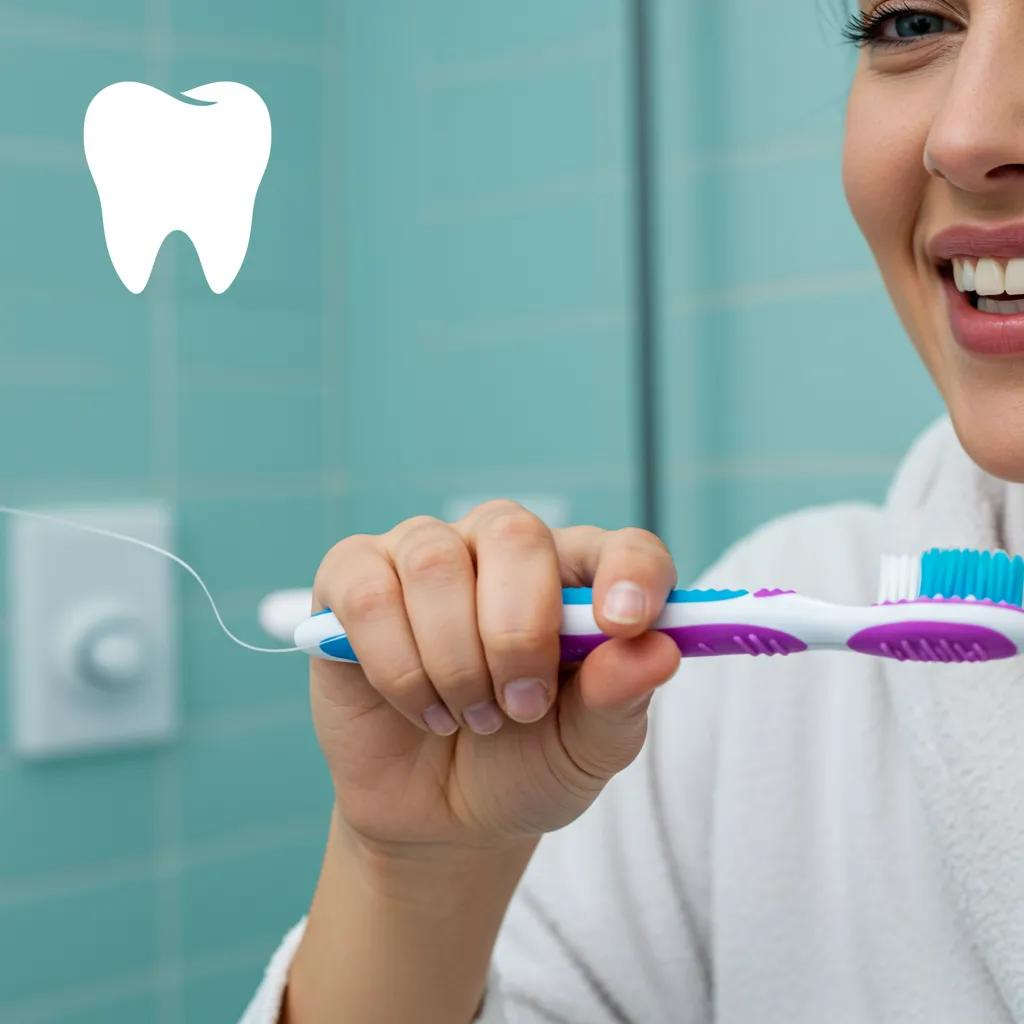
To maintain your crowns beautifully, practice meticulous oral hygiene, focusing especially on the crown margin where recurrent decay could potentially begin. Use fluoride toothpaste and gentle but thorough brushing. Floss daily, carefully sliding the floss up and down along the crown’s side to clear plaque from adjacent surfaces; interdental brushes are wonderfully useful for wider contacts. If you have habits like clenching or grinding, address them with protective measures like a night guard, as recommended by your dentist. Attend your professional cleanings and have your bite checked regularly to catch any early wear or marginal breakdown. Prompt dental attention for any chips, discoloration, or sensitivity prevents small issues from escalating, ensuring your crown remains a healthy, beautiful part of your smile.
These daily maintenance habits beautifully set the stage for focused bridge care techniques, which we’ll describe next.
Extending the Life of Your Dental Bridges: Essential Care Tips
Extending the life of your dental bridge truly centers on diligent cleaning beneath the pontics, protecting your abutment teeth from decay, and carefully monitoring the periodontal health of your supporting teeth. Use floss threaders, superfloss, or interdental brushes to effectively remove plaque under pontics and along abutment margins; water flossers can also be a fantastic aid in maintaining hygiene in those hard-to-reach areas. Maintain a balanced diet and avoid sustained high-force habits that could stress your bridge. Regular dental examinations with us will include probing abutment health and radiographs as needed to detect any underlying issues early. Addressing gum disease or decay promptly is crucial for protecting your abutments and preserving the stability of your bridge for years to come.
Consistent hygiene and monitoring significantly reduce the likelihood of abutment failure and the need for replacement, which brings us to our final section about selecting the perfect provider for your crowns and bridges.

Why Choose Beautiful Smiles Ontario for Your Crowns & Bridges? Our Expertise & Patient Care
Beautiful Smiles Ontario proudly combines restorative dentistry, oral surgery, and implant prosthetics to offer truly comprehensive solutions for crowns and bridges, all thoughtfully tailored to each patient’s unique anatomy and smile goals. Our practice deeply emphasizes compassionate, high-quality dental care and seamlessly integrates advanced CAD/CAM technology with trusted laboratory partnerships to deliver durable, incredibly aesthetic restorations. Under the clinical leadership of Dr. Hosny—who is recognized in local reports for excellence in general and cosmetic dentistry—our patients receive individualized treatment planning that carefully considers both long-term function and beautiful appearance. Beautiful Smiles Ontario is honored to serve our wonderful local community in Ontario, CA and nearby areas such as Upland, Rancho Cucamonga, and Montclair, always with a focus on predictable, lasting outcomes and your ultimate patient comfort.
We’re dedicated to helping our patients restore their oral health and confidence through expert oral surgery and dental implant services, all while delivering compassionate, high-quality dental care to our wonderful Ontario community.
This mission statement beautifully reflects our practice’s approach: combining restorative expertise with truly patient-centered care and clear communication about all your options and pricing. If you’re considering crowns or bridges, we warmly invite you to schedule a consultation to review your material choices, discuss sequencing with any adjunctive procedures, and receive a transparent estimate that perfectly matches your long-term oral health goals.
Dr. Hosny: Your Leading Dentist for Crowns & Bridges in Ontario
Dr. Hosny’s restorative focus truly emphasizes meticulous technique, stunning aesthetic outcomes, and your ultimate patient comfort, empowering you to make decisions that beautifully balance durability and appearance. His local recognition in industry reports highlights his exceptional proficiency in general and cosmetic dentistry, building patient confidence when complex restorative or implant-related cases require integrated, expert care. Our clinical approach prioritizes conservative tooth preparation whenever possible, evidence-based material selection, and meticulous bite management to optimize the longevity of your restorations. Patients truly benefit from a coordinated workflow that perfectly aligns diagnostics, surgical planning for implants when needed, and prosthetic execution for consistently predictable and beautiful results.
This clinician-led approach forms the strong foundation of our practice’s restorative capabilities and seamlessly transitions into how we consistently maintain our operational quality.
Our Commitment to Excellence: High-Quality Restorative Dentistry at Beautiful Smiles Ontario
At Beautiful Smiles Ontario, we ensure exceptional quality through careful case planning, the use of contemporary restorative materials and advanced CAD/CAM options, and close collaboration with experienced dental laboratories to guarantee perfect color, fit, and strength. Our practice’s workflow seamlessly integrates precise diagnostic imaging, individualized treatment sequencing, and comprehensive patient education to support your informed consent and realistic expectations. Post-treatment follow-up focuses on essential maintenance protocols and the early identification of any complications, all designed to protect your investment and your oral health. You can always expect a personalized treatment plan that perfectly aligns your prosthetic choices with your functional requirements and aesthetic goals, all supported by our unwavering emphasis on compassionate, high-quality dental care.
This explanation beautifully completes our practice-focused information and leaves you with clear next steps for planning your restorative treatment at a local clinic that expertly integrates surgical and prosthetic expertise.
Frequently Asked Questions
You might need a dental crown if you have severe tooth decay, a fractured tooth, or have recently had a root canal treatment. If a tooth feels weakened or has a very large filling, a crown can provide that essential support. For bridges, look for gaps from missing teeth, which can cause adjacent teeth to shift, impacting your bite and smile aesthetics. If you’re experiencing discomfort, sensitivity, or difficulty chewing, it’s always a good idea to consult with our friendly dentist for a thorough evaluation.
Dental crowns can beautifully last anywhere from 5 to 15 years, sometimes even longer, depending on the material used, your personal oral hygiene habits, and the crown’s location. Bridges generally offer a similar lifespan, but their longevity can also be influenced by the health of the supporting teeth. Rest assured, regular dental check-ups and diligent home care, including excellent oral hygiene, can significantly extend the life of both your crowns and bridges, ensuring they remain functional and aesthetically pleasing for many years.
While dental crowns and bridges are generally very safe and routine procedures, some minor risks can include temporary sensitivity, the potential for decay at the margins over time, or the rare possibility of a crown or bridge becoming loose. In very rare cases, allergic reactions to materials can occur. It’s absolutely crucial to follow your dentist’s aftercare instructions and attend your regular check-ups to monitor the health of your restorations and surrounding teeth, helping us minimize any potential complications.
Yes, absolutely! You can certainly eat normally with your new crowns and bridges. We do advise avoiding very hard or sticky foods immediately after placement, as your mouth might be a little sensitive. Once you’ve comfortably adjusted to your beautiful new restorations, you should be able to enjoy a regular, varied diet. However, maintaining excellent oral hygiene is always essential to prevent decay around your crown or bridge and to ensure their long-term durability. Always feel free to consult your dentist if you have any concerns about your diet post-procedure.
Choosing the perfect material for your crowns and bridges depends on several important factors, including the location of the restoration in your mouth, your aesthetic preferences, and your budget. Porcelain and E-max are often ideal for front teeth due to their incredibly natural appearance, while zirconia is frequently preferred for back teeth because of its exceptional strength. We encourage you to discuss your specific needs and preferences openly with your dentist; this will help you make a truly informed decision that beautifully balances aesthetics, durability, and cost for your unique smile.
After receiving your new crown or bridge, it’s completely normal to experience some sensitivity, especially to hot and cold temperatures. This usually subsides comfortably within a few days. You might also feel minor discomfort, which can be easily managed with over-the-counter pain relievers. It’s incredibly important to follow your dentist’s aftercare instructions diligently, maintain excellent oral hygiene, and schedule any recommended follow-up appointments to ensure proper healing and optimal function of your beautiful new restorations.
We highly recommend having your crowns and bridges checked at least once a year during your regular dental check-ups. Your dentist will carefully assess the condition of your restorations, check for any signs of wear or decay, and ensure that your overall oral health is beautifully maintained. Regular monitoring helps us catch any potential issues early, ensuring the long-term longevity and continued effectiveness of your crowns and bridges, keeping your smile healthy and bright.