
Thorough Dental Checkups and Preventive Care in Ontario, CA
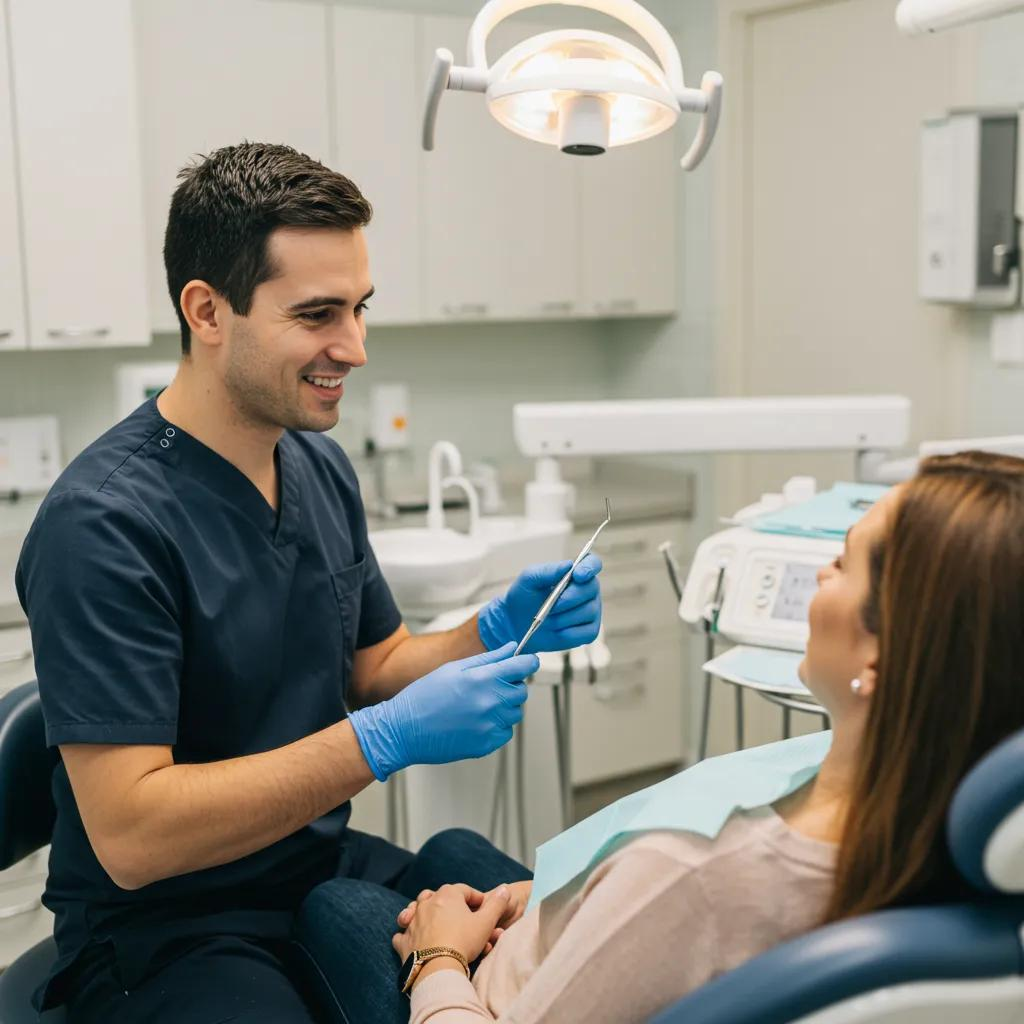
Dental checkups are essential, professional appointments where our dedicated dental team carefully examines your teeth, gums, and oral tissues to prevent disease, catch issues early, and maintain your oral health and confidence. These visits include a comprehensive clinical exam, a thorough professional cleaning, diagnostic imaging, and targeted screenings to address cavities and gum disease before they escalate into more serious treatments. In this guide, you’ll discover what a routine dental checkup entails, why regular visits are crucial for your long-term health and savings, who may need more frequent care, and how to prepare to maximize each appointment. Many patients have concerns about hidden issues and unclear pricing; this guide clarifies the exam process, diagnostic tools like digital x-rays and oral cancer screenings, frequency recommendations for various age groups and conditions, and practical tips for navigating insurance and affordability. We’re here to help you regain your oral health and confidence through expert oral surgery and dental implant services, all while providing compassionate, high-quality dental care to the Ontario community. The following sections will guide you step-by-step through what to expect, costs and coverage, scheduling and preparation, and how our local family practice integrates advanced diagnostics with patient-centered care.
Ready to Experience Your Dream Smile?
Take the first step towards a confident, radiant smile. Our expert team is ready to provide a personalized assessment and discuss your unique goals.
What’s Included in a Routine Dental Checkup?
A routine dental checkup is a well-structured visit that combines a clinical examination, professional cleaning, and targeted diagnostic tests to identify and address oral issues early on. The process is straightforward: our clinicians remove plaque and tartar, examine soft tissues and teeth for any signs of disease, and utilize imaging to uncover hidden problems, ultimately leading to reduced disease progression and fewer invasive procedures down the line. Understanding each component helps you know what to expect and why specific steps are taken during a typical visit. Below is a concise list of core checkup components that most dental practices utilize to deliver preventive and family dentistry services.
Routine dental checkups typically include the following key components:
Comprehensive Oral Exam: A visual and tactile inspection of your teeth, gums, bite, and soft tissues to identify any obvious issues.
Professional Cleaning (Scaling & Polishing): A thorough removal of plaque and tartar by a dental hygienist to reduce the risk of cavities and gum disease.
Digital X-Rays: Targeted imaging to uncover hidden decay, bone loss, and other structural changes.
Oral Cancer Screening: A soft-tissue evaluation to detect suspicious lesions early for timely referral and care.
Each of these steps works in harmony to provide a complete picture of your oral health and guide personalized preventive care. Understanding this sequence clarifies why a checkup is more than just a quick glance and sets the stage for the detailed procedural descriptions that follow.
What Happens During a Dental Examination and Cleaning?
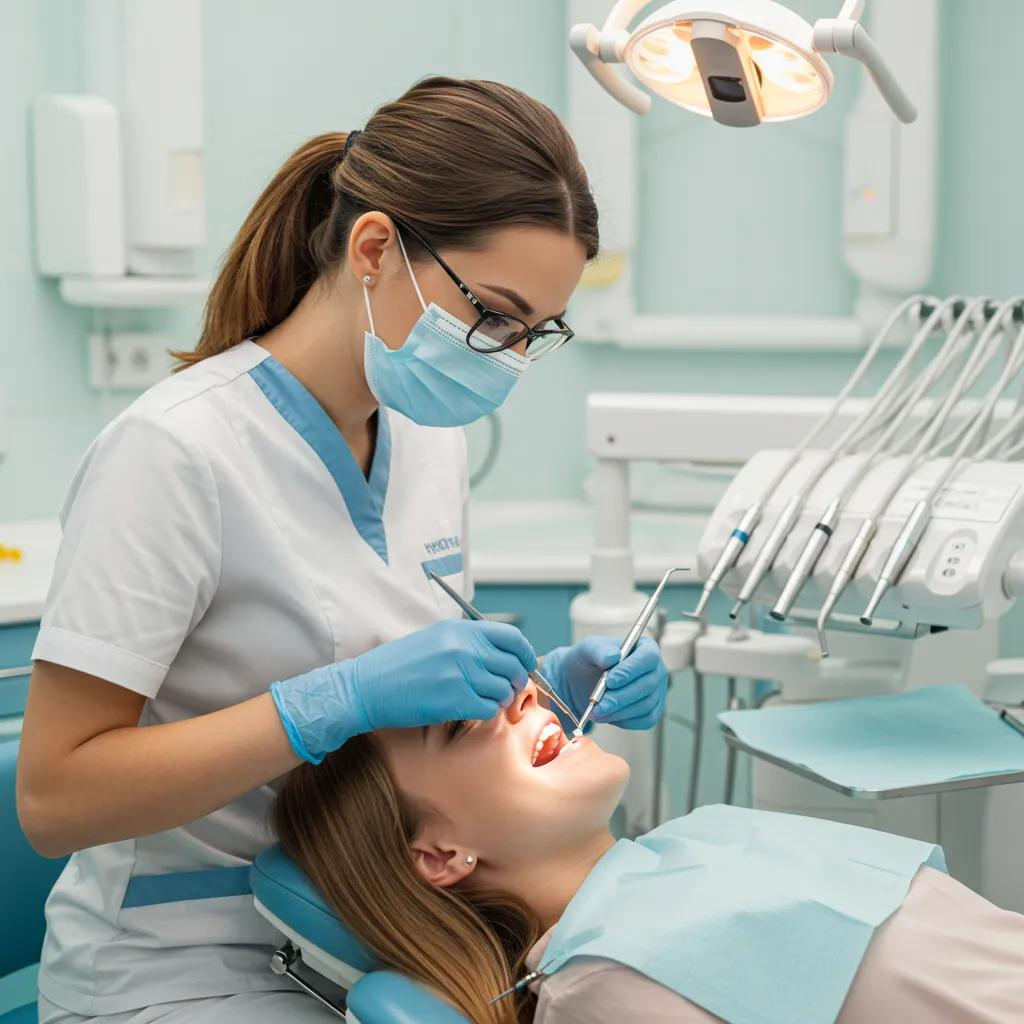
A standard exam and cleaning begin with a review of your medical and dental history to identify any risk factors that may influence treatment decisions. The hygienist then performs periodontal probing and scaling to eliminate sub- and supragingival deposits, enhancing gum health and reducing bacterial load. Polishing follows to smooth enamel and eliminate surface stains, and fluoride may be applied to strengthen enamel, helping to prevent new cavities. This stepwise approach minimizes immediate disease risk and informs the dentist’s restorative plan, naturally leading into diagnostic imaging when necessary to reveal hidden issues.
How Do Dental X-Rays and Oral Cancer Screenings Support Your Checkup?
Dental x-rays provide a low-radiation, high-value view of interproximal decay, root anatomy, and bone levels that visual exams cannot uncover, allowing for early treatment before lesions expand. Oral cancer screening complements imaging by assessing mucosal tissues and lymphatic areas for lesions or asymmetry; early detection of suspicious changes significantly improves outcomes. The frequency of x-rays varies based on risk and age, with targeted bitewings for adults and panoramic imaging for comprehensive assessment in special cases. Together, imaging and soft-tissue screening elevate a routine checkup from basic prevention to a thorough dental health screening.

Why Are Regular Dental Checkups Essential for Maintaining Oral Health?
Regular dental checkups are preventive visits that help reduce disease by interrupting the progression of cavities and periodontal disease through professional care and early intervention. This process includes the mechanical removal of plaque and tartar, timely restoration of small lesions, and patient education that encourages better daily oral hygiene habits, resulting in measurable long-term benefits. The primary advantage is fewer invasive treatments over time, lower overall costs, and preserved oral function and aesthetics. The next section outlines how routine care prevents common dental diseases and supports your overall well-being.
Regular checkups provide numerous tangible benefits that extend beyond your mouth:
Early Detection: Small cavities and soft-tissue abnormalities are addressed before they worsen.
Disease Prevention: Professional cleanings eliminate calculus that home care cannot, reducing infection risk.
Cost Savings: Preventive care decreases the need for extensive restorations, saving you time and money.
Systemic Health Links: Healthy gums support overall health and can influence conditions like diabetes.
These benefits highlight why preventive dentistry should be an ongoing part of your family’s health routine and lead into specific strategies for preventing cavities and gum disease.
Research indicates a strong connection between oral health and overall systemic health, with conditions like elevated blood cholesterol being linked to poorer oral health outcomes.
How Do Checkups Prevent Cavities and Gum Disease?
During checkups, our hygienists remove biofilm and calculus that lead to tooth decay and inflammation, while dentists identify early lesions that can be treated with minimally invasive methods. Periodontal probing measures pocket depths to detect and halt periodontitis before bone loss accelerates, while topical fluoride applications strengthen enamel against future decay. Patient education on brushing, interdental cleaning, and dietary factors reinforces preventive behaviors and reduces recurrence. These practical interventions work together to lower both short-term infection risk and the long-term need for complex restorative work.
Preventive dental checkups are associated with better oral health behaviors, suggesting that regular visits may encourage improved hygiene practices.
What Are the Long-Term Health Benefits of Routine Dental Exams?
Routine exams help preserve chewing function, support speech and nutrition, and maintain the aesthetics of your smile, all of which contribute to your quality of life and self-confidence. Early management of oral disease prevents progressive tooth loss, which could otherwise lead to more complex treatments like implants or oral surgery. Maintaining periodontal health also aids in controlling systemic inflammation, potentially improving the management of chronic conditions influenced by oral infection. Over the years, consistent preventive care typically reduces cumulative dental spending and enhances overall well-being.
Who Should Schedule Regular Dental Checkups?
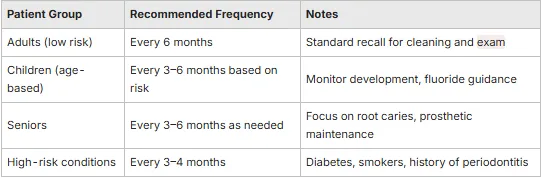
Regular dental checkups are recommended for nearly everyone, but the ideal frequency and focus of visits depend on age, medical history, and individual risk factors. Risk-based recall schedules allow our clinicians to allocate resources to those most likely to benefit from closer monitoring, resulting in better outcomes for children, adults, and seniors alike. This section outlines standard intervals and explains modifications for special conditions so you can identify the schedule that best fits your needs.
The following compact table presents recommended frequencies by patient group to simplify scheduling decisions and serve as a quick reference for families planning dental care.
What Are the Recommended Checkup Frequencies for Adults, Children, and Seniors?
Most healthy adults benefit from a six-month recall that balances preventive maintenance and efficient monitoring, while children may require shorter intervals to manage eruption patterns and caries risk. Seniors often need more frequent assessments due to medication-related dry mouth and increased root-surface decay; prosthetic appliances also require inspection and maintenance. Our clinicians adjust intervals based on periodontal charting, caries risk assessment, and systemic health considerations to ensure that each patient receives personalized preventive care.
Primary health care providers’ advice plays a role in children seeking dental checkups, influencing their dental visit behavior.
How Do Special Conditions Affect Dental Checkup Schedules?
Pregnancy, diabetes, immunosuppression, and a history of periodontal disease typically require closer monitoring with three- to four-month recalls to manage inflammation and infection risk. Certain medications can cause xerostomia (dry mouth), increasing susceptibility to cavities and prompting more frequent fluoride and monitoring visits. For patients undergoing or considering oral surgery or implants, preoperative assessments and tighter follow-up schedules support healing and long-term outcomes. Understanding these condition-based adjustments helps you and your provider collaborate on a recall schedule that minimizes complications.
How Much Does a Dental Checkup Cost in Ontario, CA?
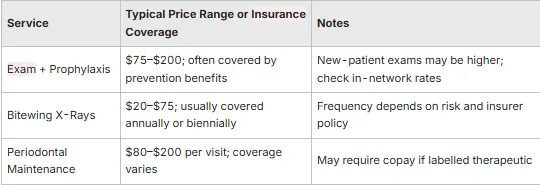
The cost of a typical dental checkup in Ontario, CA varies based on the services included—basic exams and cleanings have one price, while x-rays, periodontal therapy, and specialized screenings may add to the fee. Price variation relates to procedure complexity, materials, and diagnostic imaging; insurance coverage often reduces out-of-pocket costs for preventive services. Patients should anticipate a range rather than a single figure and learn what their insurer typically covers before the visit. The next table summarizes typical price ranges, insurance patterns, and practical notes to enhance local price transparency.
What Insurance and Payment Options Are Available for Dental Exams?
Most dental plans cover preventive exams and cleanings at high benefit levels, frequently paying in-network providers for routine services; diagnostic imaging coverage depends on plan frequency rules. When booking, verify whether your plan includes prophylaxis, bitewings, and periodic radiographs, and inquire about in-network benefits to minimize unexpected charges. Many practices accept major payment cards, offer third-party financing, or provide discounted new-patient bundles to enhance affordability. Understanding which procedures are preventive versus therapeutic helps you anticipate potential out-of-pocket costs and plan accordingly.
How Can You Find Affordable Dental Checkup Services Near You?
To find affordable care, search for in-network providers, compare new-patient offers, and assess provider value by checking technology and preventive focus rather than price alone. Community clinics and dental schools sometimes offer sliding-scale services, while family practices may have payment plans or bundled preventive pricing for households. Reading patient reviews and confirming the presence of modern diagnostics like digital x-rays and hygienist-led periodontal monitoring helps ensure quality while seeking lower-cost options. Evaluating services by value—prevention, diagnostics, and follow-up care—yields better long-term savings than choosing solely based on price.
Ready for Your Confident, Transformed Smile?
Take the definitive step towards achieving the radiant smile you deserve. Our expert team is prepared to provide a comprehensive, personalized evaluation and discuss your unique aesthetic and functional goals.
How Can You Prepare for Your Dental Checkup Appointment?
Preparing for a dental checkup ensures that your visit time is used efficiently and improves diagnostic accuracy by providing clinicians with the information they need to make informed recommendations. The process is simple: bring updated medical history and medication lists, confirm insurance details, and arrive with specific concerns ready to discuss, which leads to more targeted care and better outcomes. Below is a practical checklist to guide you before your appointment and reduce administrative friction at check-in.
Patients should complete this short pre-visit checklist to maximize the value of their appointment:
Bring current ID and insurance card, if available, along with a list of medications and supplements.
Note any oral symptoms, sensitivities, or recent health changes to share with the clinician.
Avoid heavy coffee or staining substances before a cleaning appointment to enhance visual assessment.
What Should You Bring and Expect During Your Visit?
Upon arrival, new patients typically complete medical history and consent forms; returning patients should verify updates to medications and systemic conditions. The appointment generally lasts 30–60 minutes for routine exams and cleanings, longer if x-rays or periodontal probing are included. Expect clear communication about findings, recommended next steps, and home-care advice from the hygienist or dentist to reinforce positive behavior changes. Knowing the sequence—administrative check-in, hygienist exam and cleaning, dentist assessment, and scheduling—reduces uncertainty and enhances your comfort.
How to Schedule and Manage Your Dental Checkup Appointment?
Most offices offer online booking, phone scheduling, and reminder systems; when booking, confirm insurance coverage, expected procedures, and any forms to complete before arrival. Ask whether the practice offers bundled new-patient pricing or accepts flexible payment options if affordability is a concern. Keep a record of appointment confirmations and set reminders to maintain regular recall intervals, and notify the office promptly if you need to reschedule to free slots for others. Proactive scheduling and clear communication help minimize missed appointments and support consistent preventive care.
Start Your Journey to Excellent Oral Health with a Free Dental Exam!
Beautiful Smiles Ontario approaches dental checkups with a family-friendly, patient-centered model that combines advanced diagnostics and clinical expertise to preserve oral health across all life stages. Our practice model is built around a clear mission: to help you restore your oral health and confidence through expert oral surgery and dental implant services, while delivering compassionate, high-quality dental care to the Ontario community. Our services range from routine preventive visits to coordinated care involving oral surgery and dental implants when restorative pathways require advanced intervention. By aligning preventive dentistry with access to specialty services, you benefit from continuity of care, efficient referrals, and treatment plans designed to maintain long-term oral function and confidence.
We emphasize technologies and workflows that enhance diagnostic accuracy and patient comfort while keeping prevention at the heart of our care. These capabilities facilitate seamless transitions from checkups to restorative or surgical care when necessary, ensuring you receive the right level of treatment at the right time without unnecessary delays.
What Advanced Technologies Enhance Your Dental Checkup Experience?
Modern checkups are enhanced by digital x-rays and intraoral cameras that provide high-resolution images with minimal radiation exposure, enabling earlier detection of decay and subtle structural issues. Our sterilization protocols and updated infection control practices prioritize your safety and support efficient patient flow, while chairside imaging allows clinicians to visually explain findings and engage you in treatment decisions. These technologies shorten diagnosis time, improve your understanding, and support conservative treatment choices that preserve tooth structure and oral health. Enhanced imaging and communication tools also facilitate better planning when oral surgery or dental implants become part of a long-term restorative strategy.
Who Is Dr. Hosny and How Does His Expertise Benefit Patients?
Dr. Hosny serves as the clinical lead, combining general dentistry and oral surgery expertise to guide treatment planning and complex case management. His dual focus on restorative and surgical care allows you to access coordinated services—such as implant planning or surgical consultations—within a single practice setting, reducing fragmentation and improving outcomes. Dr. Hosny has received multiple prestigious awards, signaling peer recognition for clinical excellence, and his team applies evidence-based protocols to deliver compassionate care. You benefit from streamlined referral pathways, consistent clinical standards, and a patient-first approach that emphasizes preserving oral health and restoring confidence through appropriate interventions.
We’re here to help you restore your oral health and confidence through expert oral surgery and dental implant services, while delivering compassionate, high-quality dental care to the Ontario community. If you’d like to schedule a preventive visit or learn how preventive care connects to restorative options, please contact us to arrange an appointment or inquire about scheduling and insurance details.
Frequently Asked Questions
Neglecting dental checkups can lead to undetected oral health issues, such as cavities, gum disease, and even oral cancer. Without regular professional cleanings, plaque and tartar can accumulate, increasing the risk of tooth decay and periodontal disease. These conditions may progress to more severe problems, necessitating extensive and costly treatments. Additionally, skipping routine visits can result in a decline in overall oral health, impacting not just your teeth and gums but also your systemic health.
Selecting the right dentist involves considering several factors, including their qualifications, experience, and the services they provide. Look for a dentist who is well-reviewed by patients and has a strong reputation in the community. It’s also important to evaluate their approach to patient care—do they prioritize preventive measures? Additionally, consider the office environment, location, and whether they accept your insurance. Scheduling a consultation can help you determine if the dentist is a good fit for your needs.
In the event of a dental emergency, such as a knocked-out tooth, severe pain, or a broken filling, it’s crucial to seek immediate care. Contact your dentist’s office as soon as possible; many practices reserve time for emergencies. If you cannot reach your dentist, consider visiting an urgent care dental clinic. For a knocked-out tooth, handle it by the crown, rinse it gently, and try to reinsert it into the socket if possible. If not, store it in milk or saline until you can get to a dentist.
Fluoride is a mineral that plays a vital role in maintaining dental health by strengthening tooth enamel and making it more resistant to decay. It helps to remineralize areas of the enamel that have begun to demineralize due to acid exposure from bacteria and sugary foods. Many dental practices offer fluoride treatments during checkups, and fluoride is also commonly found in toothpaste and some drinking water. Regular exposure to fluoride can significantly reduce the risk of cavities, especially in children and those at higher risk for dental issues.
To ensure a positive dental experience for your child, start by introducing them to the dentist at an early age, ideally by their first birthday. Use positive language about dental visits and explain what to expect in a reassuring way. Consider scheduling appointments during times when your child is well-rested. Engaging them in the process, such as letting them choose their toothbrush or toothpaste, can also help. Lastly, maintaining a calm demeanor during visits will encourage your child to feel more relaxed and comfortable in the dental environment.
Dental sealants are a preventive measure that involves applying a thin coating to the chewing surfaces of back teeth to protect them from decay. They act as a barrier against food particles and bacteria, significantly reducing the risk of cavities, especially in children and teenagers. Sealants are quick to apply and can last several years with proper care. By sealing the grooves and pits in molars, dental sealants can help maintain oral health and reduce the need for more invasive treatments in the future.
It is recommended to replace your toothbrush every three to four months, or sooner if the bristles become frayed. A worn toothbrush is less effective at cleaning teeth and can harbor bacteria. Additionally, after recovering from an illness, it’s wise to replace your toothbrush to prevent reinfection. Using an electric toothbrush can also be beneficial, as many models come with built-in timers and pressure sensors to enhance your brushing technique and ensure thorough cleaning.