
Expert Tooth Extractions for a Healthier Smile in Ontario Ca.

At Beautiful Smiles Ontario, led by the award-winning Dr. Hosny, we prioritize your comfort and oral health with every tooth extraction. This procedure involves carefully removing a tooth from its socket to alleviate pain, clear infection, or prepare your smile for advanced restorative treatments. This comprehensive guide, informed by Dr. Hosny’s extensive expertise, will walk you through when an extraction might be necessary, the different types available, and what you can expect every step of the way. We’ll provide clear, practical insights into simple versus surgical extractions, comfortable sedation options, socket preservation for future implants, transparent cost considerations, and essential tips to prevent complications like dry socket. You’ll also find information on emergency extractions and how to access timely care, plus a look at long-term tooth replacement solutions, including state-of-the-art dental implants, bridges, and dentures. Our goal is to empower you with informed decisions about your tooth removal and subsequent smile rehabilitation here in Ontario, CA, ensuring a seamless and comfortable experience.
Ready to Experience Your Dream Smile?
Take the first step towards a confident, radiant smile. Our expert team is ready to provide a personalized assessment and discuss your unique goals.
Why Might You Need a Tooth Extraction? Common Reasons We See
A tooth extraction becomes necessary when a tooth can no longer be saved or poses a significant risk to your overall oral or systemic health. This can happen due to severe structural damage, uncontrolled infection, or when precise space is needed in your dental arch for orthodontic or prosthetic planning. Understanding these key reasons helps both you and our expert team choose the most effective extraction and follow-up strategies to protect your surrounding bone and soft tissue. The most common reasons include severe decay beyond repair, persistent infection or abscess threatening nearby structures, and meticulous planning for orthodontics or prosthetics that require extra space. We carefully evaluate each tooth with advanced imaging and clinical tests to determine if extraction or a restorative approach (like a root canal or gum therapy) is truly the optimal solution for your long-term health. This diagnostic step then leads us to discuss specific dental issues that often require extraction and when wisdom teeth need to be removed.
Advanced Diagnostics: Precision Planning for Your Extraction
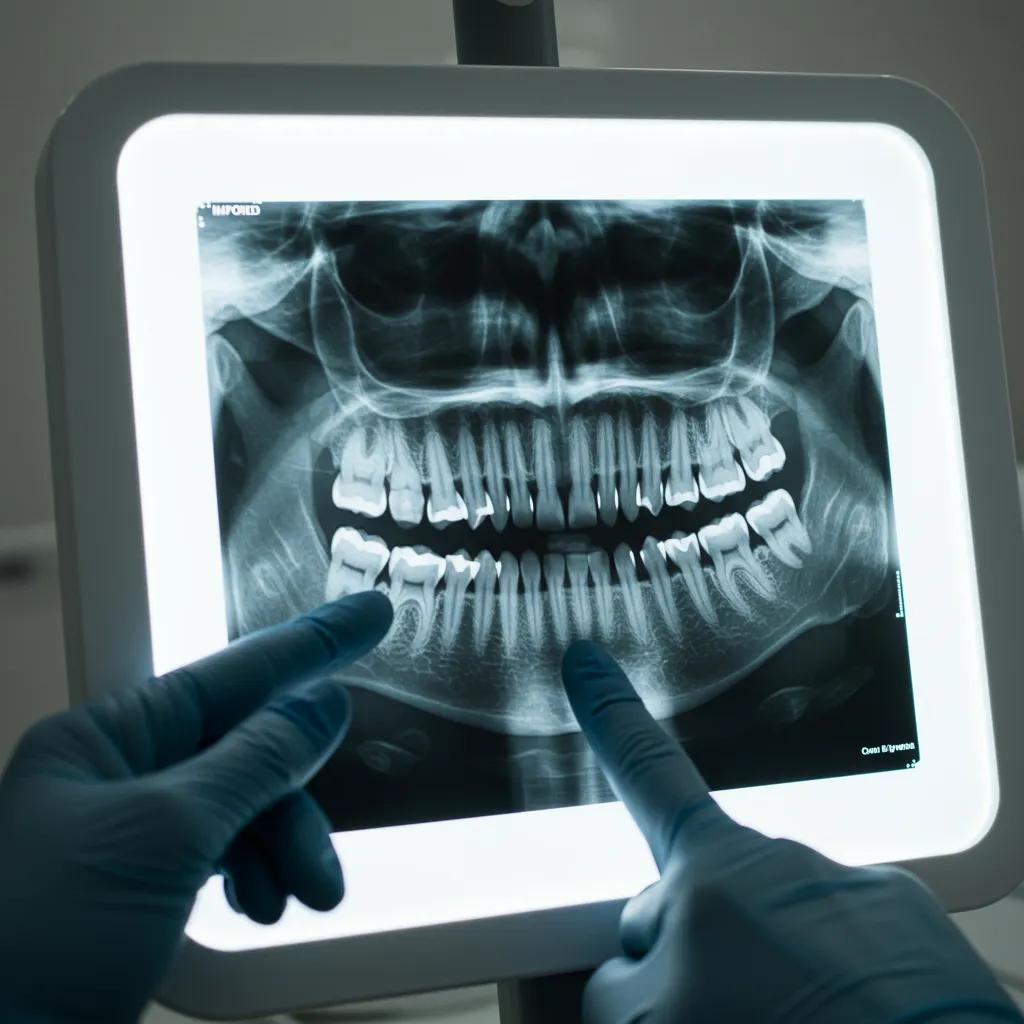
At Beautiful Smiles Ontario, our commitment to precision begins with state-of-the-art diagnostic imaging. We utilize advanced tools such as panoramic X-rays and Cone Beam Computed Tomography (CBCT) scans to gain a comprehensive, three-dimensional view of your oral anatomy. This allows Dr. Hosny to meticulously assess root anatomy, bone density, and the exact proximity of vital structures like nerves and sinuses. This crucial information is indispensable for determining whether a simple or surgical extraction is required, anticipating potential complexities, and planning for adjunctive procedures like socket preservation or immediate implant placement. Our advanced diagnostic capabilities ensure a highly predictable and safe extraction process, minimizing risks and optimizing outcomes.
What Dental Issues Often Lead to Tooth Extraction?
Specific conditions that frequently necessitate extraction include non-restorable fractures extending below the gumline, advanced periodontal disease with significant tooth mobility, and abscessed teeth that have not responded to conventional root canal treatment. When a tooth’s crown and root cannot be rebuilt to be functionally sound and infection-free, extraction effectively removes the source of pain and infection, preventing its spread to adjacent teeth or even systemic health issues. Our clinicians also consider your unique factors—like your comprehensive medical history, healing capacity, and long-term treatment goals—when recommending extraction versus alternative solutions. This informed decision often leads to a referral for oral surgery, especially when roots are fractured, multiple teeth need removal, or when bone grafting and implant planning are integral to your future smile goals.
Types of Tooth Extractions: Simple, Surgical, and Wisdom Tooth Removal
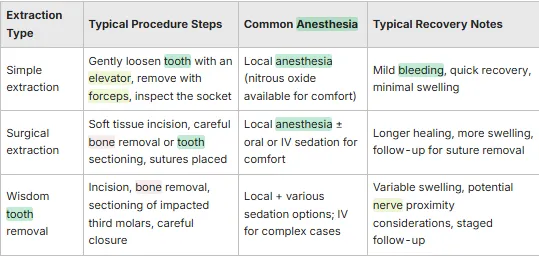
Tooth extractions are generally categorized into clear types: simple extractions for visible crowns, surgical extractions for roots or impacted teeth, and specialized wisdom tooth removal, which often involves more intricate bone and soft-tissue management. Each type varies in technique, anesthesia used, expected healing time, and the potential need for additional procedures like bone grafting or suturing. Below, you’ll find a straightforward comparison that clarifies the steps involved, common anesthesia options, recovery timelines, and cost factors to help you understand what each approach entails, ensuring you are fully informed.
Quick Note: The table below provides a helpful summary of typical characteristics for each extraction type, designed to guide your expectations and our clinical planning. It contrasts procedures by their main steps, the anesthesia commonly used, important recovery considerations, and the primary factors influencing cost, illustrating how complexity impacts your care journey.
This comparison clearly shows how the complexity of the procedure, the level of sedation, and any additional needs (like bone grafts) will influence your recovery and overall cost. Understanding these differences helps you feel prepared for informed consent and ensures coordinated care, especially when restorative planning is part of your treatment.
How Does a Simple Tooth Extraction Work?
A simple extraction is performed when the tooth’s crown is easily accessible and fully erupted. Our clinician will gently numb the area with local anesthesia, carefully loosen the tooth with specialized instruments called elevators, and then remove it with forceps, all while meticulously protecting your surrounding soft tissue. This procedure is typically quick, resulting in an intact socket that is thoroughly inspected and packed with gauze to control any bleeding. Your immediate post-op instructions will include applying gentle pressure on the gauze, avoiding vigorous rinsing, and managing discomfort with recommended medications. Patients usually experience mild swelling and localized soreness that improves within a few days. Understanding these straightforward steps prepares you for information about surgical removal, should a simple approach not be feasible for your situation.
What Is Surgical Tooth Removal and When Is It Needed?
Surgical extraction is indicated when a tooth is broken at or below the gumline, when roots are curved or fused to the bone (ankylosed), or when teeth are impacted and require careful removal of bone or sectioning for a safe and predictable extraction. The procedure involves a precise surgical incision, controlled removal of bone as needed, sectioning of the tooth if necessary, and the placement of sutures to promote optimal healing. For your comfort during longer or more invasive procedures, we may offer advanced sedation options ranging from oral to IV sedation, administered by experienced professionals. The recovery period for surgical extractions typically involves more swelling and a slightly longer timeline before you return to normal function. Having clear expectations about these differences helps you anticipate your recovery and discuss options like socket preservation or grafting if dental implants are part of your future smile plan.
Tooth Extractions: Safe and Compassionate Care at Beautiful Smiles
This section outlines your personalized patient journey with us, from your initial comprehensive consultation and advanced diagnostic imaging to personalized treatment planning, expert anesthesia and sedation selection, the precise extraction procedure itself, and the immediate post-operative care designed to promote optimal healing. Your initial consultation will emphasize advanced imaging—such as panoramic X-rays or CBCT scans when indicated—to thoroughly assess your root anatomy, bone structure, and proximity to vital nerves. This crucial information helps Dr. Hosny determine if a simple or surgical extraction is required and whether socket preservation or implant planning should be seamlessly integrated into your care. Our treatment planning always involves discussing your tailored anesthesia options, outlining your expected recovery, and coordinating any follow-up care, including bone grafting if implants are anticipated.
We offer sedation choices carefully tailored to your medical history and anxiety levels, and our compassionate team provides detailed pre-op and discharge instructions to minimize any risk of complications, ensuring your safety and peace of mind.
“Help patients restore oral health and confidence through expert oral surgery and dental implant services, while delivering compassionate, high-quality dental care to the Ontario community.”
Our clinic’s patient-centered approach ensures seamless continuity from extraction to restorative planning when needed, always balancing your clinical needs with your comfort and long-term smile outcomes. This thoughtful pathway naturally leads us to a more detailed look at your sedation options and what you can expect during the procedure itself.

What Sedation Options Are Available for Your Comfortable Extraction?
To ensure your comfort, our sedation choices range from local anesthesia for most simple extractions to nitrous oxide (laughing gas) or oral sedatives for our anxious patients, and IV sedation for more complex surgical cases requiring deeper relaxation and comprehensive pain relief. Local anesthesia effectively numbs the specific site, allowing for a cooperative and comfortable recovery immediately after your procedure. Nitrous oxide offers rapid-onset relaxation that is quickly reversible, while oral sedation provides moderate anxiety relief but does require transportation arrangements. IV sedation is typically reserved for more invasive surgery or for patients with higher anxiety or specific medical considerations, always administered and monitored by experienced professionals. Selecting the appropriate sedation method is a collaborative decision—based on your comfort level, medical history, and the complexity of your procedure—and will inform your pre-op instructions and post-op monitoring, ensuring your utmost safety and comfort.
What Should You Expect During Your Extraction Procedure?
During your extraction, your comfort is our paramount priority. You’ll first receive carefully administered anesthesia and continuous monitoring before our clinician performs the planned technique—whether simple or surgical—with our team ensuring your comfort and maintaining sterile technique throughout. The procedure duration varies by complexity, from just a few minutes for simple removals to longer for surgical extractions that may require bone removal or sectioning; our team will explain each step to help reduce any anxiety you might have. Immediately afterward, our clinician will meticulously inspect the socket, place gauze to manage bleeding, and provide you with clear, written aftercare instructions focusing on effective pain control, swelling reduction, and signs to watch for regarding complications. You’ll leave with a clear follow-up plan and direct contact instructions should any abnormal symptoms arise, setting the stage for informed recovery and future restoration planning.
How Much Does Tooth Extraction Cost in Ontario, CA? Pricing, Insurance, and Financing
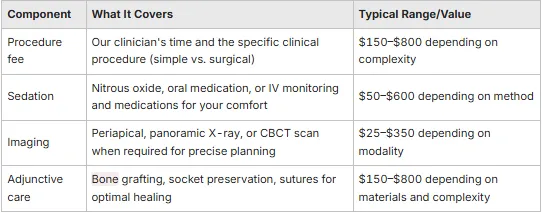
We believe in transparency about cost components to help you plan your care and compare options effectively. The cost of your procedure will vary depending on the type of extraction, the anesthesia chosen, any necessary advanced imaging, and adjunctive services like bone grafting or implant planning. Below is a clear breakdown of typical cost components to clarify what influences the total fee and what questions you should ask during your consultation. Presenting these elements helps you understand how complexity or additional procedures affect the price, enabling more accurate insurance benefit checks and financial planning.
What Factors Influence the Cost of Your Dental Extraction?
The cost of your dental extraction is primarily influenced by the complexity of the extraction itself, whether surgical techniques like bone removal or tooth sectioning are needed, the type of anesthesia you choose for your comfort, and if adjunctive procedures like socket preservation or grafting are necessary for optimal long-term outcomes. Factors such as our geographic location, the expertise of your provider (like Dr. Hosny’s specialized skill), and the use of advanced imaging also play a role in fees; more complex cases requiring CBCT scans or specialized care typically increase the overall cost. Insurance plan variability means your coverage can differ widely—some plans cover simple extractions more fully than surgical removals—so preauthorization and benefit verification are crucial steps. Knowing these factors helps you assess your out-of-pocket obligations and plan for any subsequent restorative phases, like dental implants, with confidence.
Does Insurance Cover Tooth Extractions, and What Financing Options Are Available?
Insurance coverage for extractions varies significantly by plan. Dental insurance commonly covers simple extractions partially, while surgical extractions and adjunctive procedures may require a higher out-of-pocket payment or prior authorization. We strongly recommend that you contact your insurer directly to determine your covered benefits, annual maximums, and any preauthorization requirements; our administrative team is always here to assist by providing accurate treatment codes for verification. When out-of-pocket costs are anticipated, many practices, including ours, offer flexible payment plans or third-party patient financing options to make your essential care more accessible over time. Requesting a personalized, detailed estimate during your consultation enables realistic financial planning for your extraction and any planned restorative care.
Ready for Your Confident, Transformed Smile?
Take the definitive step towards achieving the radiant smile you deserve. Our expert team is prepared to provide a comprehensive, personalized evaluation and discuss your unique aesthetic and functional goals.
Essential Post-Extraction Care & Recovery Tips: Heal Safely and Prevent Complications
Effective post-extraction care is crucial for minimizing pain, controlling bleeding, reducing swelling, and preventing complications like dry socket and infection. Following simple, evidence-based steps in the first 24–72 hours is absolutely vital for successful healing. Your immediate goals are to maintain a stable blood clot, limit activities that could disrupt healing, manage any pain and swelling, and monitor for any warning signs that require our clinical review. The following prioritized list outlines essential actions you should follow after your extraction to promote a predictable recovery and significantly reduce the risk of complications.
Quick Note: This list highlights the most important immediate-care actions and sets clear expectations for your first week after extraction.
Control bleeding: Gently bite on gauze for 30–60 minutes and replace as directed until bleeding subsides.
Manage pain and swelling: Use prescribed or over-the-counter pain relievers exactly as directed and apply cold packs intermittently for the first 48 hours to minimize swelling.
Protect the clot: Avoid spitting, using straws, or vigorous rinsing for at least 24 hours to prevent clot disruption, which is critical for healing.
Modify diet and activity: Stick to soft, cool foods, avoid smoking entirely, and limit strenuous exercise for the first few days to support undisturbed healing.
These measures create a stable and optimal environment for your socket to heal, significantly reducing the risk of complications. Following these steps naturally leads us into specific tactics to prevent dry socket and when to contact our clinic for review.

What Are the Most Important Steps for Your Post-Extraction Healing?
Priority steps during the first 24–72 hours include maintaining gentle pressure on the gauze to control bleeding, taking pain medication exactly as directed, and applying cold compresses to limit swelling; these actions minimize immediate discomfort and perfectly set the stage for tissue repair. Over the first week, you should gradually progress from liquid and soft foods to more regular textures as tolerated, while maintaining gentle oral hygiene around the site to reduce bacterial load without disturbing the crucial blood clot. Avoiding activities that create negative pressure in your mouth—such as using a straw or smoking—is absolutely critical to prevent clot loss and the dreaded dry socket. Scheduling and attending your follow-up visit allows our clinician to confirm proper healing, remove any sutures if present, and advise you on the ideal timing for any restorative planning, ensuring a complete recovery.
How Can You Prevent Dry Socket and Other Complications?
Dry socket results from the premature loss of the blood clot and typically presents as severe, radiating pain that usually appears 2–4 days after extraction; key risk factors include smoking, vigorous rinsing, and traumatic extractions. Preventive measures focus intently on protecting that vital clot: avoid smoking entirely, refrain from spitting or using straws, and follow our gentle oral hygiene instructions while keeping the extraction site clean. If you develop severe pain, a foul odor, or notice pus, please contact your provider promptly for evaluation and possible in-office management, which may include medicated dressings and pain control. Early recognition and conservative management usually restore comfort and promote healing without any long-term consequences, underscoring the importance of vigilance.
Understanding the factors that contribute to dry socket is essential for effective prevention and management.
What Dental Emergencies Might Require Immediate Tooth Removal?
Immediate tooth removal may be necessary for severe dental infections accompanied by systemic signs, traumatic fractures that leave non-restorable tooth fragments, and uncontrolled pain with swelling that threatens your airway or overall systemic health. When an infection produces rapidly spreading facial swelling, fever, or difficulty breathing, extraction and drainage may be required emergently, in addition to systemic antibiotics and medical monitoring. Trauma that compromises the tooth structure to the point where restoration is impossible also often necessitates prompt removal to control pain and stabilize the area. Recognizing these critical signs and seeking rapid clinical evaluation prevents escalation and supports a safer, more comfortable recovery, highlighting the importance of immediate action.
Frequently Asked Questions
While tooth extractions are generally very safe procedures, performed with meticulous care at our clinic, they do carry some potential risks. Common complications can include infection, prolonged bleeding, and dry socket, which occurs when the protective blood clot dislodges from the extraction site. Other potential issues might involve temporary nerve damage, particularly with lower wisdom teeth, and sinus complications when upper teeth are removed. You can significantly minimize these risks by diligently following all post-operative care instructions provided by our team, maintaining excellent oral hygiene, and attending your scheduled follow-up appointments. We encourage you to discuss any specific concerns with Dr. Hosny beforehand to help ensure the smoothest possible extraction process and your peace of mind.
Recovery time after a tooth extraction can vary, largely depending on the complexity of your specific procedure. Simple extractions usually allow for a quicker recovery, often within just a few days, with most discomfort subsiding within 72 hours. More involved surgical extractions, especially those requiring bone removal or multiple teeth, may require a week or even more for complete initial healing. You can expect some swelling and discomfort, which can be effectively managed with prescribed pain relief and cold compresses. Following our detailed post-operative care instructions, such as avoiding strenuous activities and adhering to dietary recommendations, will significantly enhance your recovery speed and overall comfort, ensuring a predictable healing process.
After a tooth extraction, it’s absolutely essential to wait at least 24 hours before attempting to resume your normal diet. Initially, we recommend sticking to soft, cool foods and liquids to avoid disturbing the delicate extraction site and the crucial blood clot. Excellent options include yogurt, applesauce, mashed potatoes, and smoothies (without a straw). It’s crucial to avoid hot, spicy, crunchy, or chewy foods that could irritate the area or dislodge the vital blood clot. Gradually reintroducing regular foods as your healing progresses is advisable, but always make sure to follow your dentist’s specific recommendations for your unique situation, typically for at least a week.
Experiencing some discomfort after a tooth extraction is a normal part of the healing process, but severe pain that worsens after a few days, or is not managed by prescribed medication, may indicate a complication, such as dry socket or an infection. If you encounter intense, throbbing pain, significant swelling that increases, or develop a fever, it is essential to contact Beautiful Smiles Ontario immediately for evaluation. Dr. Hosny or a member of our team will assess your situation and may provide additional treatment, such as medicated dressings, antibiotics, or further pain management, to alleviate your pain and promote proper healing. Early intervention can prevent further complications and ensure a much smoother recovery journey.
Yes, absolutely! There are often excellent alternatives to tooth extraction, depending on the specific dental issue you’re facing. For instance, advanced root canal therapy can often save a tooth that is infected or severely decayed, allowing it to remain functional within your smile. Other options include specialized periodontal treatments for advanced gum disease, restorative procedures like crowns or fillings for damaged teeth, or orthodontic solutions to manage crowding and malocclusion. Dr. Hosny will thoroughly evaluate your unique situation using advanced diagnostics and recommend the very best course of action, carefully considering factors like the tooth’s condition, your overall health, and your personal long-term treatment goals, always aiming to preserve your natural teeth whenever possible.
Preparing for a tooth extraction involves several important steps to help ensure a smooth and comfortable procedure. First, openly discuss your complete medical history, including any allergies and all medications you’re currently taking (prescription, over-the-counter, and supplements), with Dr. Hosny, as some may need to be adjusted. If sedation will be used, please arrange for reliable transportation home, and plan to take the rest of the day off to rest and recover. It’s also helpful to have a supply of soft, nutritious foods on hand for your recovery period. Following all pre-operative instructions, such as fasting if required for sedation, will help minimize complications and significantly enhance your comfort and safety during the procedure.
Improving dental anxiety can be achieved through several thoughtful strategies. We encourage you to openly communicate your fears with your dentist, who can provide reassurance and explain procedures in detail. Consider scheduling shorter visits to gradually acclimate to our comfortable dental environment. Techniques such as deep breathing, listening to calming music, or using visualization can truly help soothe your nerves. Additionally, some practices, including ours, offer gentle sedation options for more complex procedures. Finding a compassionate dental team that genuinely prioritizes your comfort can significantly enhance your entire experience.